
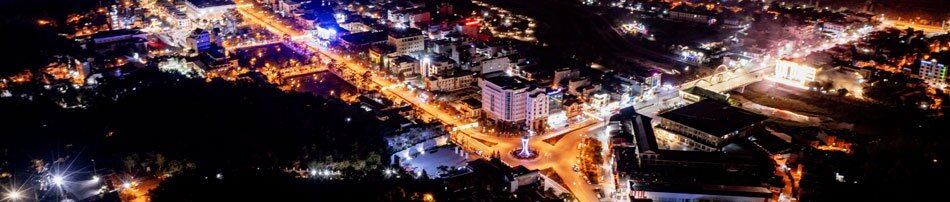
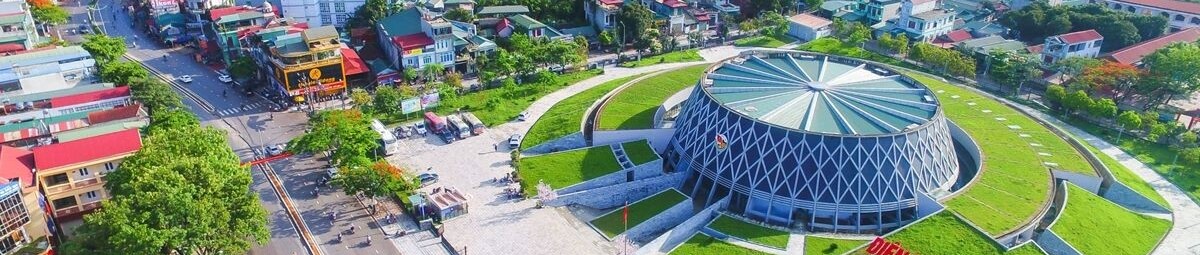

The general master plan of the commune up to 2045, which was recently announced, establishes further grounds for the locality to reorganize its development space and exploit resources efficiently.
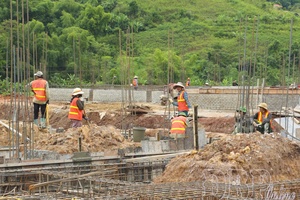
Following the merger, Nà Tấu possesses a natural land area of 200.06km², featuring a vast territory with expanded production space and population. The formation of the new commune opens opportunities for the locality to conduct a comprehensive assessment of existing advantages, rearranging production zones, infrastructure systems, and development areas under a unified orientation.
Prominent in terms of geographical location, Nà Tấu commune belongs to Economic Zone I, the dynamic economic zone of the province. The National Highway 279 corridor traverses the locality, alongside the National Highway 279B route, creating favorable connections with the southern and western areas of the province and the administrative, political, and economic center of the province, which is Điện Biên Phủ ward.
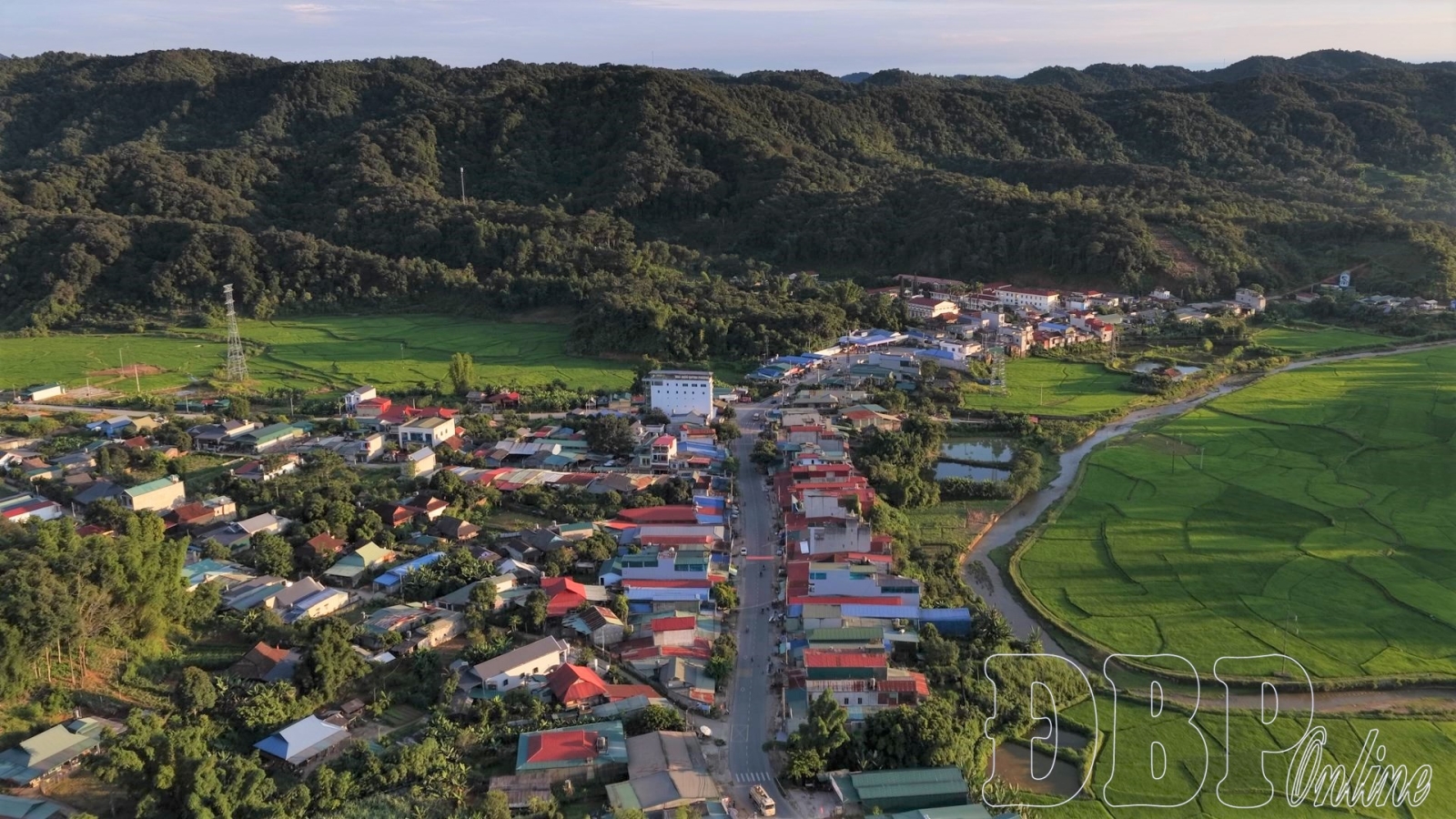
From transportation advantages, Nà Tấu enjoys conditions to broaden production linkages and form new development spaces tied to the transportation network. In that context, the General Master Plan of Nà Tấu commune up to 2045 carries significance as a step toward concretizing the commune’s development vision after the merger. The master plan aims at building Nà Tấu to meet modern new rural standards, forming a civilized, synchronous rural space while preserving local identity.
According to the master plan, the new center of the commune is identified in the area of Nà Cái village and Nà Tấu village. A green park covering about 10.88ha is also oriented to take shape in the central area, creating additional space for community activities and contributing to building the commune center’s appearance toward modern, green, and livable standards.
According to Chairman of the commune People’s Committee Trần Quang Trung, the general master plan serves as an important foundation for Nà Tấu to shape a new development structure, linking spatial organization with the exploitation of locational advantages, infrastructure, and production zones. Through this, the locality progressively affirms the role of a dynamic economic zone, contributing positively to the overall growth targets of the province.
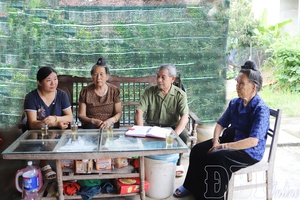
The master plan was announced at a time when Nà Tấu had just undergone a major transformation in administrative boundaries, population, and administrative management organization. Therefore, local residents are keenly interested in the new master plan.
Nà Tấu belongs to the Điện Biên - Mường Thanh basin subzone, oriented toward developing commodity agriculture, high-tech agriculture, and agricultural logistics services linked with central urban centers and satellite urban areas. This orientation aligns with what the locality currently possesses and is progressively establishing.
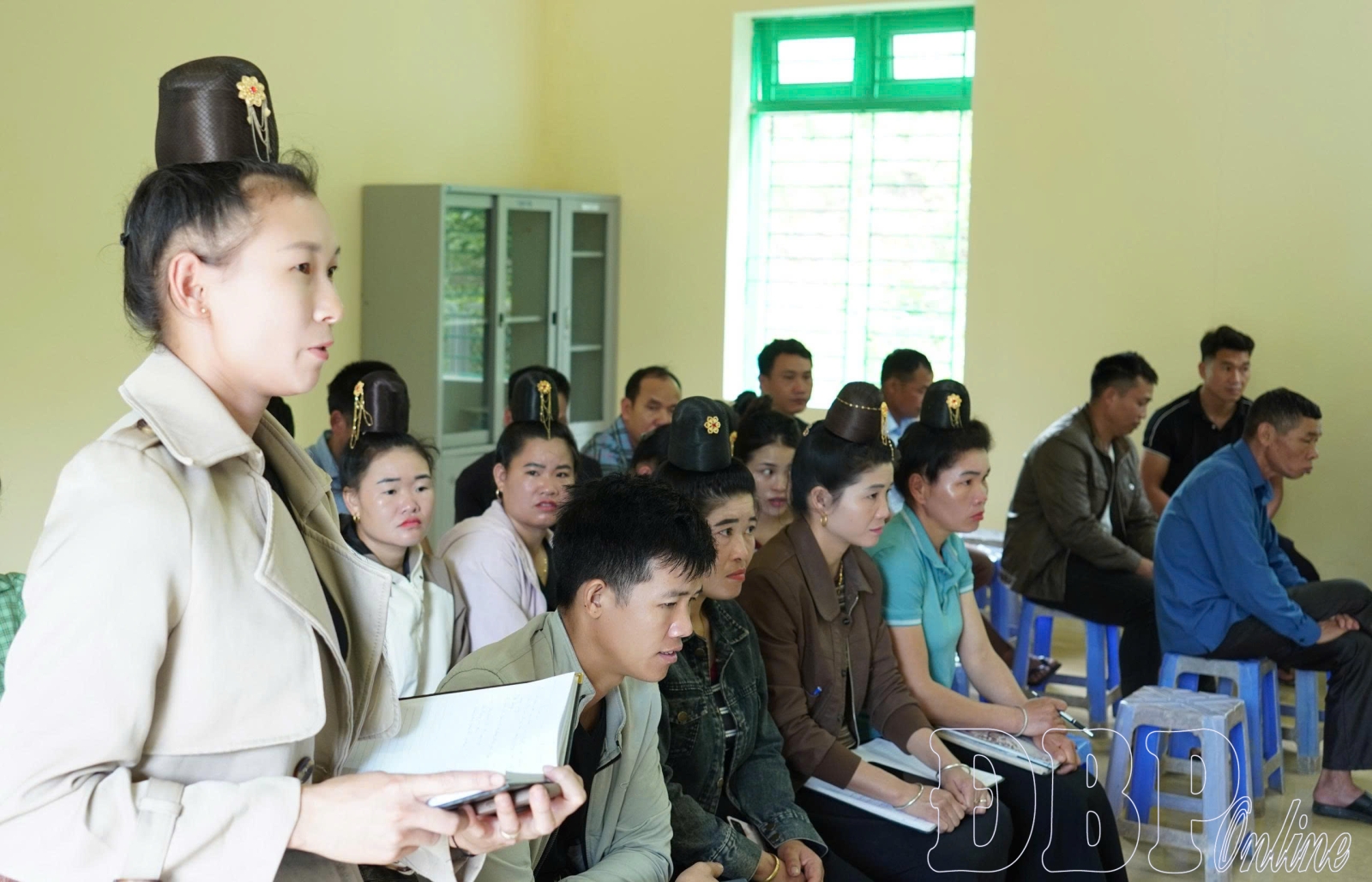
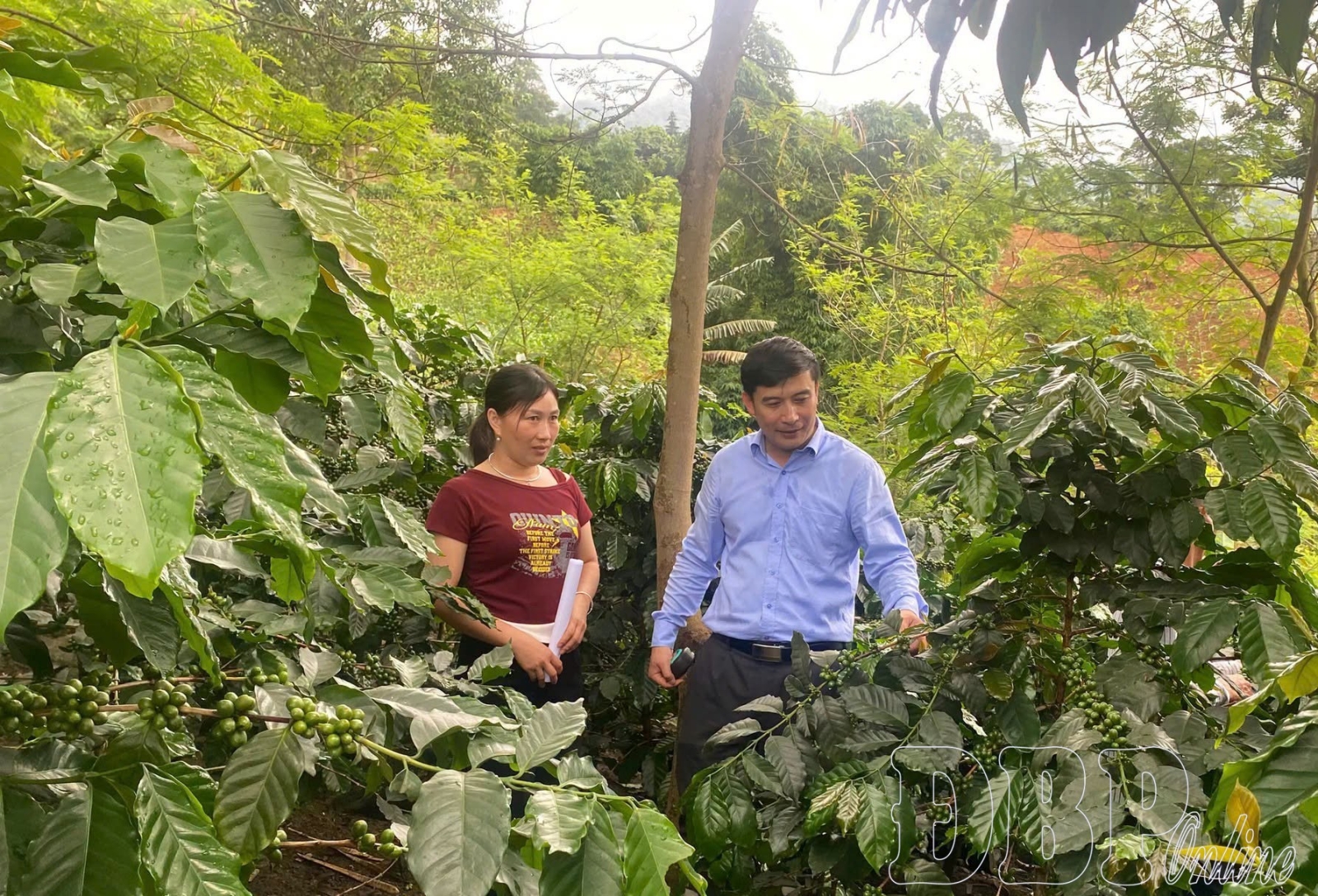
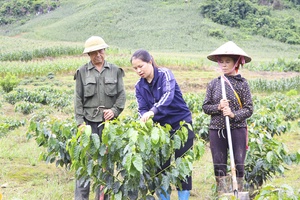
Agriculture remains one of the critical foundations of Nà Tấu’s economy. In the first 6 months of the year, the commune’s total grain crop food output reached 3,914 tons, in which rice output reached 2,602 tons and vegetables and secondary crops reached 432 tons. Along with maintaining food crops, the locality is step-by-step shifting the crop structure, forming production zones that possess advantages and higher economic value. Coffee is one of the pathways emphasized by Nà Tấu. The entire commune currently has 324ha of coffee. Executing the plan to plant new coffee and macadamia, the locality has seeded 400ha of coffee, while concurrently maintaining and caring for over 200ha of macadamia.
From existing production areas, Nà Tấu is moving toward a more organized agricultural space. Production zones are oriented to align with the commune’s agricultural restructuring scheme and the Điện Biên provincial Master Plan for the 2021 - 2030 period, with a vision toward 2050. The industrial crop zone for macadamia, coffee, and related crops is identified in Nậm Chăn 3, Nậm Chăn 1, Nà Tấu 2, and Hua Luống villages, with an anticipated total area of about 150 to 200ha. Concentrated livestock farming is oriented toward farm models in Co Hắm and Hua Rốm villages.
With 54ha of existing edible canna, the locality continues to utilize unsuitable areas to convert to other crops to maintain raw material zones. The development of canna noodle purchasing and processing facilities in the area generates additional product off-take, creates employment for local laborers, and drives production toward linking raw materials with processing.
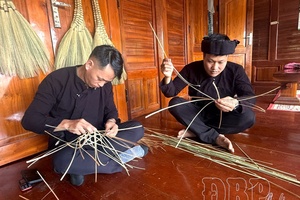
Investing in processing industries to elevate product value on the spot, the master plan includes the 25ha Nà Tấu Industrial Cluster in Nà Tấu 2 village oriented toward clean industry, agro-forestry product processing, cottage handicrafts, and promoting craft villages such as rattan and bamboo weaving and canna noodle processing. Prioritizing trades using local raw materials will establish linkages between raw material areas, production, processing, and markets, creating job opportunities for local labor. Two projects currently in the investment attraction portfolio comprise an 8.9ha livestock farm combined with medicinal plant cultivation and a 20ha pig farm, which, if deployed appropriately, will contribute to diversifying production and generating additional momentum for the rural economic sector.
The development space of Nà Tấu is also placed in a close relationship with resource and landscape protection. The soil environment in the area is evaluated as having relatively good natural quality and high fertility, suitable for forestry development and crop cultivation. To protect this resource, the commune has integrated the central field area into the periodic environmental monitoring network, tracking basic soil indicators, thereby establishing a basis to manage and use land more sustainably.
From transportation and production to landscape, the Nà Tấu master plan is organized into two development zones. Zone 1 is designated as the dynamic zone, with its primary development corridor along the space west of the route connecting National Highway 279 and National Highway 279B. The development process is tied to requirements for managing and preserving the landscape surrounding the Campaign Command Headquarters relic at Huổi Hẹ cave within the Điện Biên Phủ Battlefield Special National Relic Site. This is a factor helping Nà Tấu connect economic development with preserving historical and cultural values.
Zone 2 is designated as an agro-forestry economic zone combined with ecological landscape conservation. Along with renovating existing residential areas, the commune plans new development areas to serve added population needs and tourism development in Nặm Cứm village, a place holding potential to form a community tourism site linked with preserving the ancient Ban flower forest across a scale of 10 to 15ha. If implemented synchronously, this will be a sustainable direction to tap landscape values, conserving natural resources while securing added livelihoods from tourism.
Along with new development areas, 35 villages of Thái, HHmông, Hoa, and Kinh ethnic communities are also placed within the orientation for renovation and upgrading, ensuring infrastructure development alongside preserving the cultural identity of ethnic minority communities.
From a new commune formed after a merger, Nà Tấu is progressively shifting from the requirements of organizational stabilization and administrative management to proactively creating development space. The general master plan up to 2045 serves as the basis for the locality to select priorities, mobilize resources, and organize the implementation of identified goals suited to each period.
With the determination of Party committees and authorities and the consensus of the people, Nà Tấu is progressively turning its new space into new momentum. From the advantages of a dynamic zone, the locality aims to build a modern rural space with efficient production, synchronous infrastructure, preserved landscapes, and promoted cultural identities, thereby making practical contributions to the overall development orientations of the province in the new stage.
Bình Nguyên



You have 500/500 characters left
Please enter 5 or more characters!!!