
Along with maintaining and effectively promoting existing facilities, adding and upgrading cultural houses in disadvantaged areas has been set forth to expand community living space, creating conditions for people to directly participate in, benefit from, and spread cultural values.
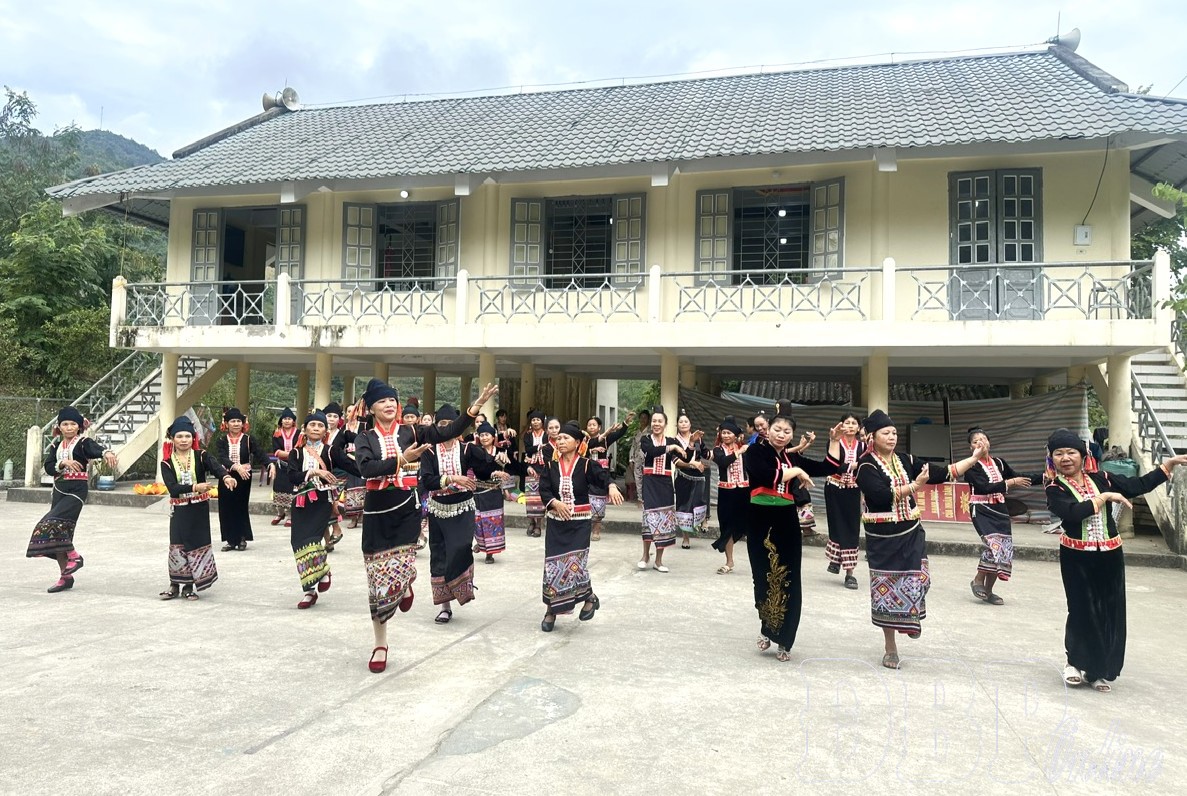
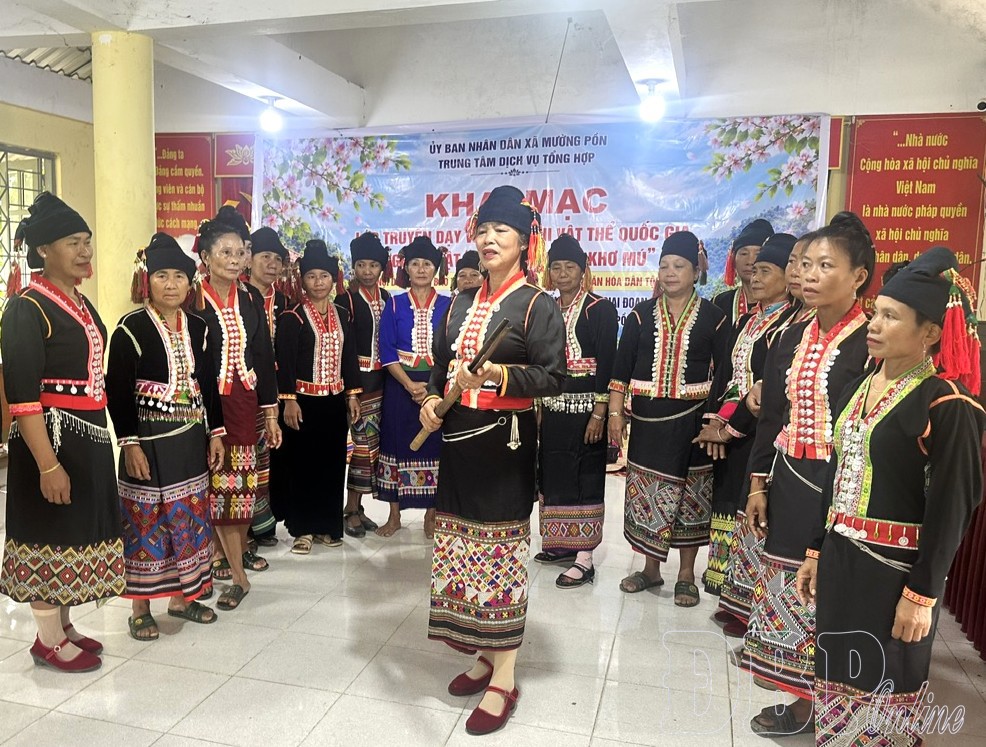
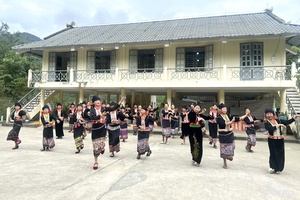
Preparing for the recent National Great Solidarity Festival on November 18, the cultural house of Púng Giắt village, Mường Pồn commune, buzzed with laughter and chatter. Residents took advantage of their free time to practice art performances, brush up on traditional dances, and prepare for the festival. Music and songs blending with rhythmic dance steps created a joyful and warm community atmosphere.
Lò Thị Hia, from Púng Giắt village, shared: “The cultural house is where villagers regularly meet, gather, hold meetings, and practice art performances. On occasions preparing for festivals and holidays, everyone gathers here to practice and join common activities. Thanks to this, villagers become more united and bonded, with conditions to preserve traditional cultural features of our ethnic group.”
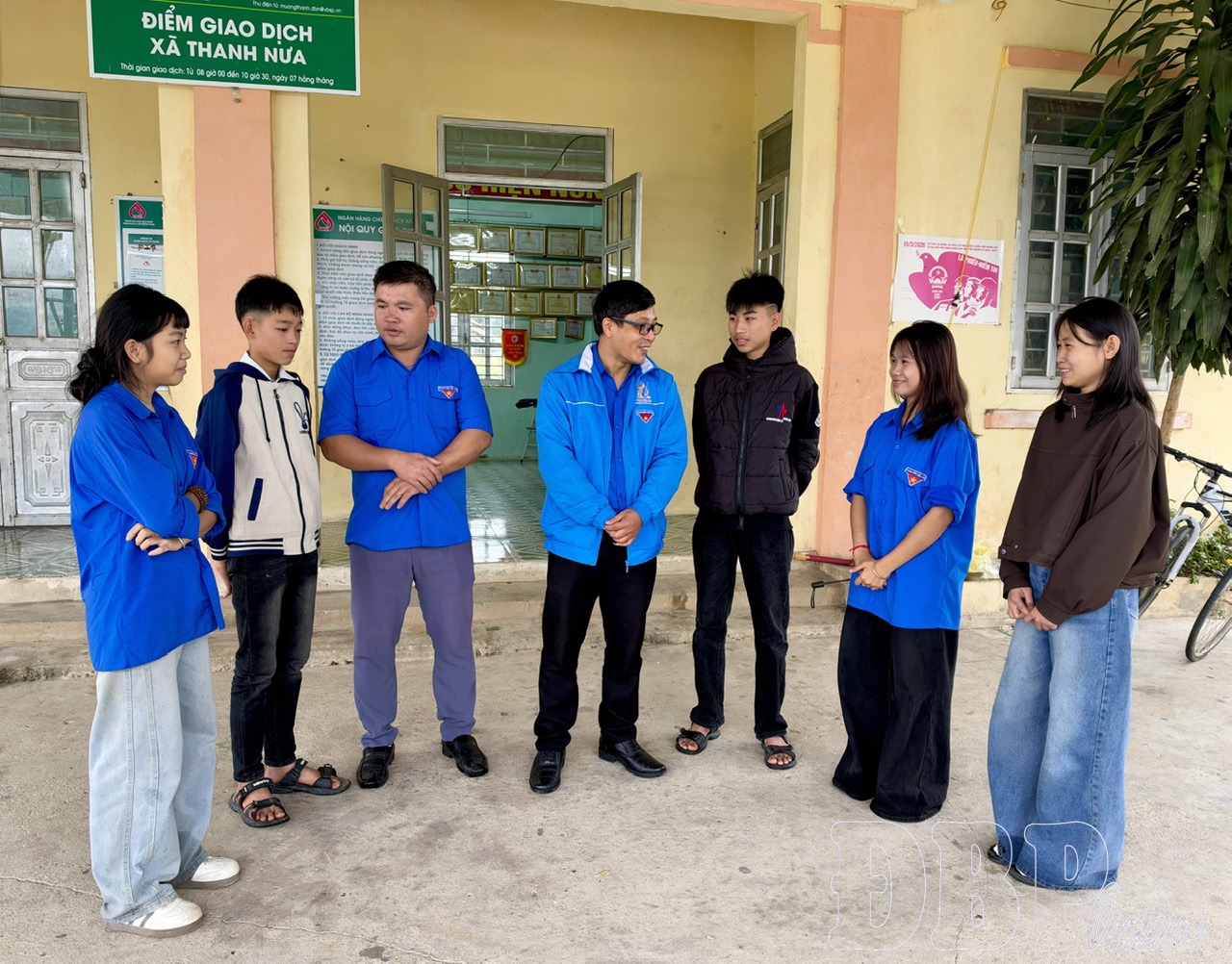
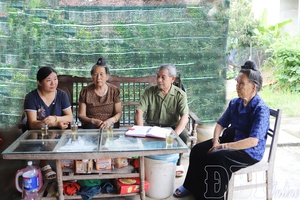
As late afternoon falls, the cultural house of Bánh village, Thanh Nưa commune, welcomes residents coming for sports practice and interaction after a day of labor. The elderly, youth, women, and children each choose an appropriate activity, creating a close-knit and bonded common living space.
The cultural house is utilized at various times of the day. In the early morning, the elderly practice exercises and health routines. During the day, mass organizations hold gatherings. In the late afternoon and evening, women join folk dance clubs while youth play sports. In particular, free Wi-Fi at the cultural house enables youth union members to guide the elderly on using smartphones, searching for information, and accessing online public services. Thanks to practical content, the cultural house has become a regular gathering place, meeting the needs of diverse age groups.
Lò Văn Học, head of Bánh village, said: “The village has many narrow alleys and scattered houses, so common space remains limited. Therefore, the cultural house is where villagers meet, discuss work, and participate in collective activities. Associations of women, veterans, and youth join hands to manage, preserve, and organize activities. Thanks to this, the cultural house always has people visiting, becoming a community bridge and contributing to strengthening neighborhood bonds.”
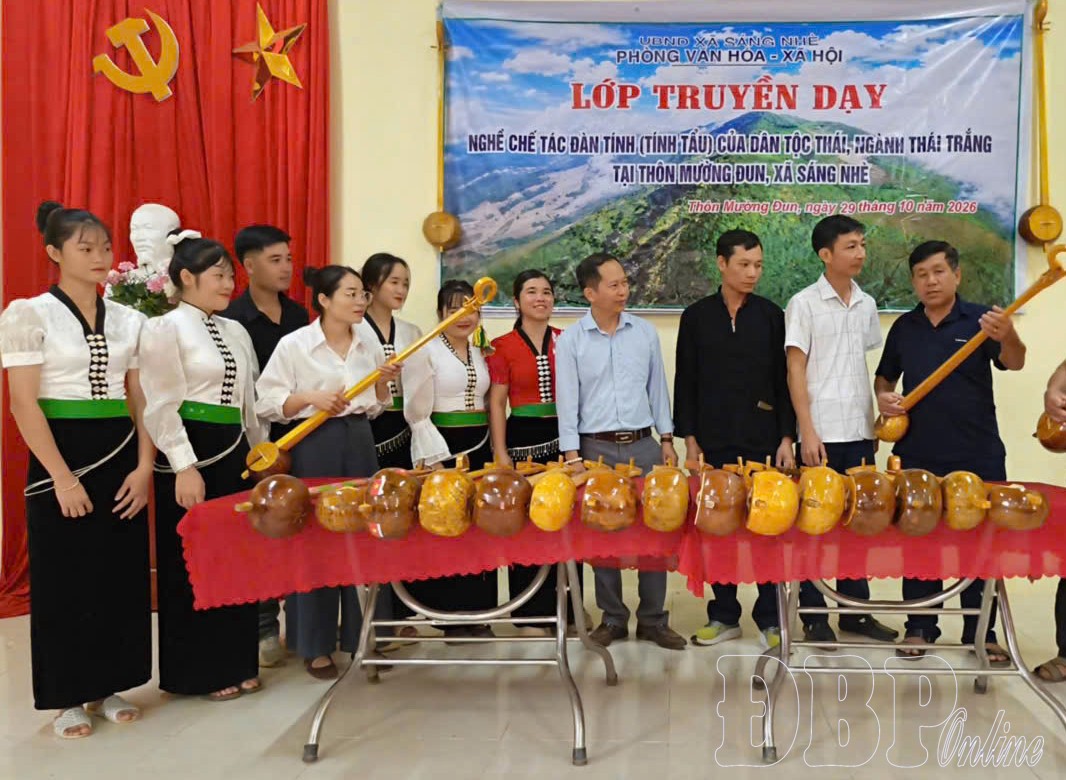
In Sáng Nhè commune, village cultural houses are demonstrating their role as venues for meeting, socializing, and organizing joint activities. Recently, the locality has organized classes teaching traditional culture right inside cultural house spaces, creating conditions for residents to learn and practice. Organizing in cultural houses facilitates convenient participation and connects cultural preservation with the community’s daily life.
Currently, Sáng Nhè commune has 12 out of 21 villages with cultural houses, step by step meeting the living and exchange needs of residents. Nine villages without cultural houses lack venues for community activities. This reality shows that expanding cultural space must go hand in hand with supplementing missing institutions so that people have conditions to participate in community activities.
Điện Biên province currently has 700 out of 888 villages, hamlets, and residential groups with cultural houses, reaching 78.8%. The network of cultural houses contributes to maintaining meetings, community activities, cultural, artistic, and physical-sports events, while serving as venues to disseminate guidelines and policies and build cultural life in residential areas. However, coverage remains uneven across localities; physical conditions, equipment, and capacity to meet usage needs in certain places are still limited.
Nguyễn Thị Thanh Chuyên, Deputy Director of the Department of Culture, Sports, and Tourism, said: In general, the system of cultural and sports institutions across the province is basically maintained stably, meeting the requirements of political tasks, serving people’s cultural, artistic, and physical training-sports needs, and contributing to building grassroots-level cultural life. This is an important foundation for the locality to continue implementing goals for developing cultural and sports institutions oriented toward 2030, gradually meeting development requirements in the new period.
Even so, disparities in conditions among localities remain an issue of concern. In disadvantaged areas, physical facilities, equipment, specialized vehicles, and land funds allocated for cultural institutions have yet to meet requirements. Following the reorganization of administrative units, changes in areas, population scale, and service scope have raised requirements to review the existing system of facilities to ensure conformity with community living needs.
For Điện Biên province, with a vast territory, uneven population distribution, and many highland villages facing difficulties in facilities, continuing to review, plan, and prioritize resources to construct, repair, and upgrade cultural institutions while effectively promoting existing facilities is required. Thereby, this gradually creates conditions for people across regions to access and participate in cultural activities, practice, and pass down traditional values, contributing to preserving the identities of 19 ethnic groups and building a rich cultural life right from the grassroots level.
Minh Thảo
You have 500/500 characters left
Please enter 5 or more characters!!!