


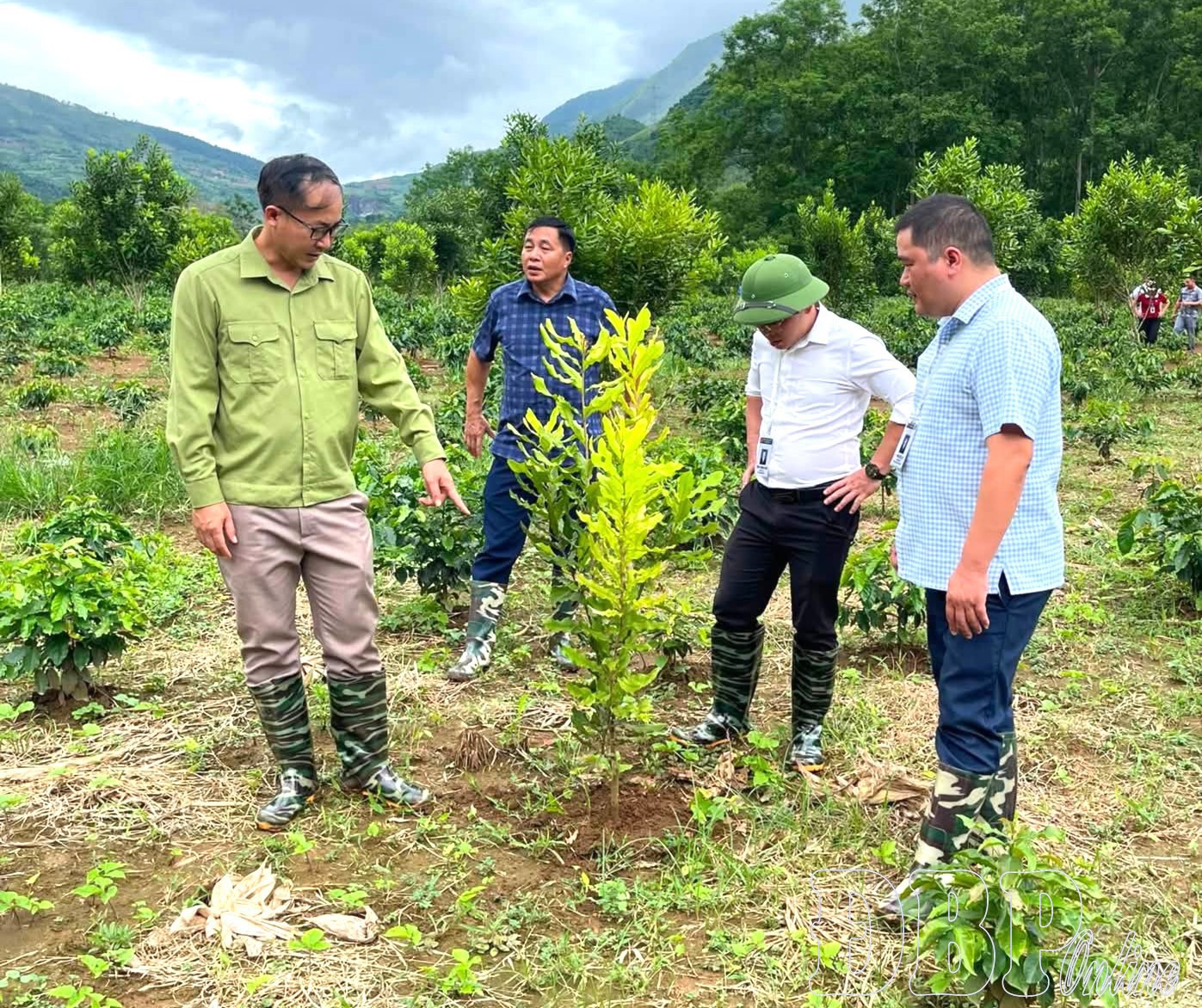
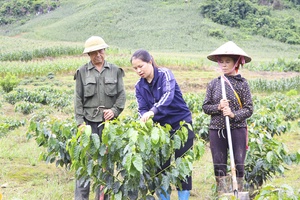
To help residents expand agricultural production, Quài Tở commune has selected support projects that align with its development priorities, particularly the expansion of coffee and macadamia cultivation, two of the province’s key crops. The support focuses on seedlings, fertilizers and technical guidance on planting and crop care.
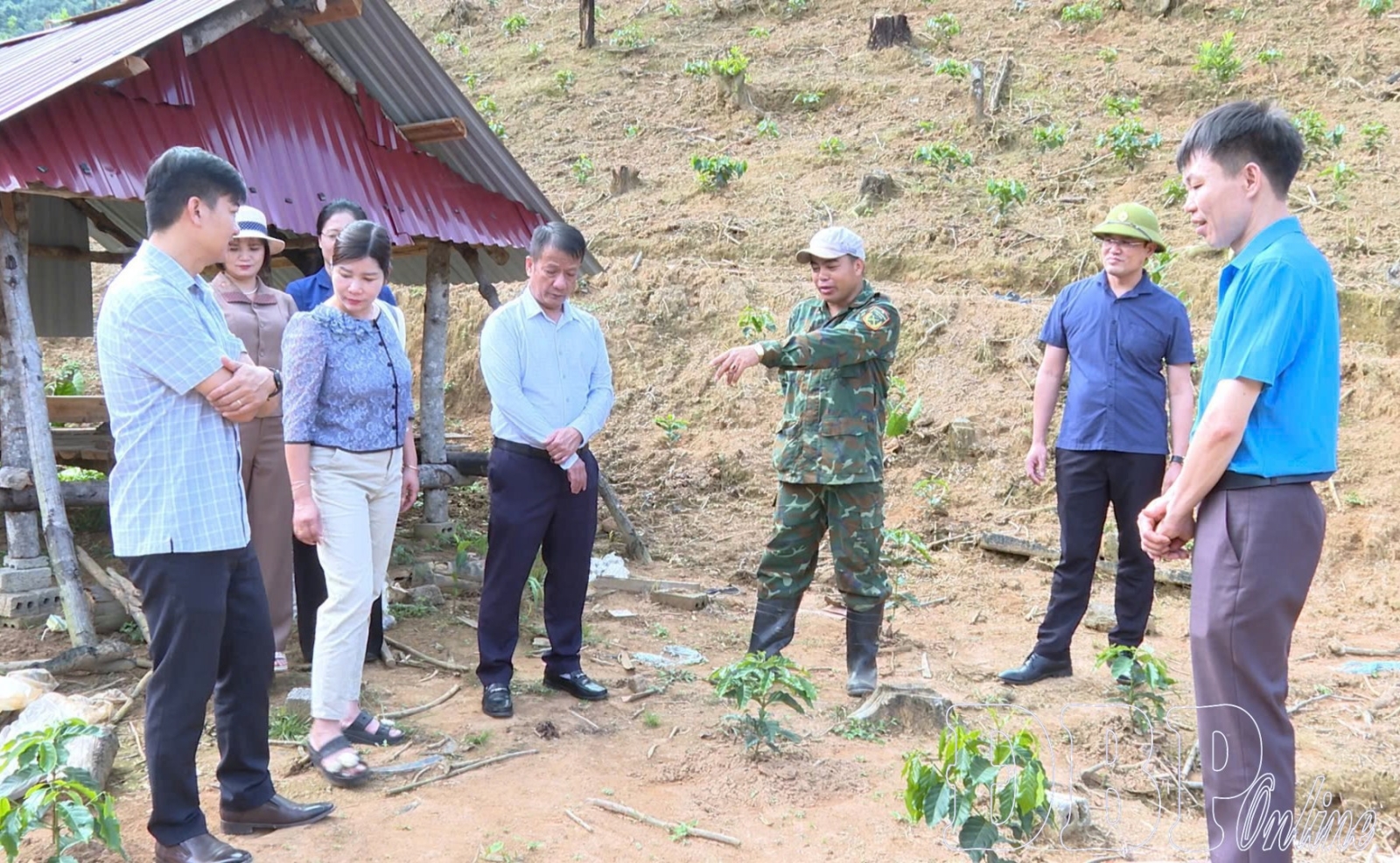
To date, the commune has approved nine projects supporting production linkages along value chains. These include one macadamia-related project for 2026, five projects involving Catimor coffee and macadamia in 2026, and adjustments to three production-linkage projects for Catimor coffee and macadamia launched in 2025. By addressing farmers’ actual needs, providing technical guidance and connecting them with businesses committed to purchasing their produce, the projects are helping local residents, particularly poor and near-poor households and ethnic minority communities, improve production efficiency and build sustainable livelihoods.
The projects have established 416.5 hectares of new coffee plantations, reaching 104% of the assigned target, and 443.5 hectares of macadamia, reaching 111% of the target, with nearly 920 households participating. In Quài Tở alone, coffee seedlings have been provided for more than 290 hectares and macadamia seedlings for over 440 hectares, with supplies arranged through designated providers to meet local demand.
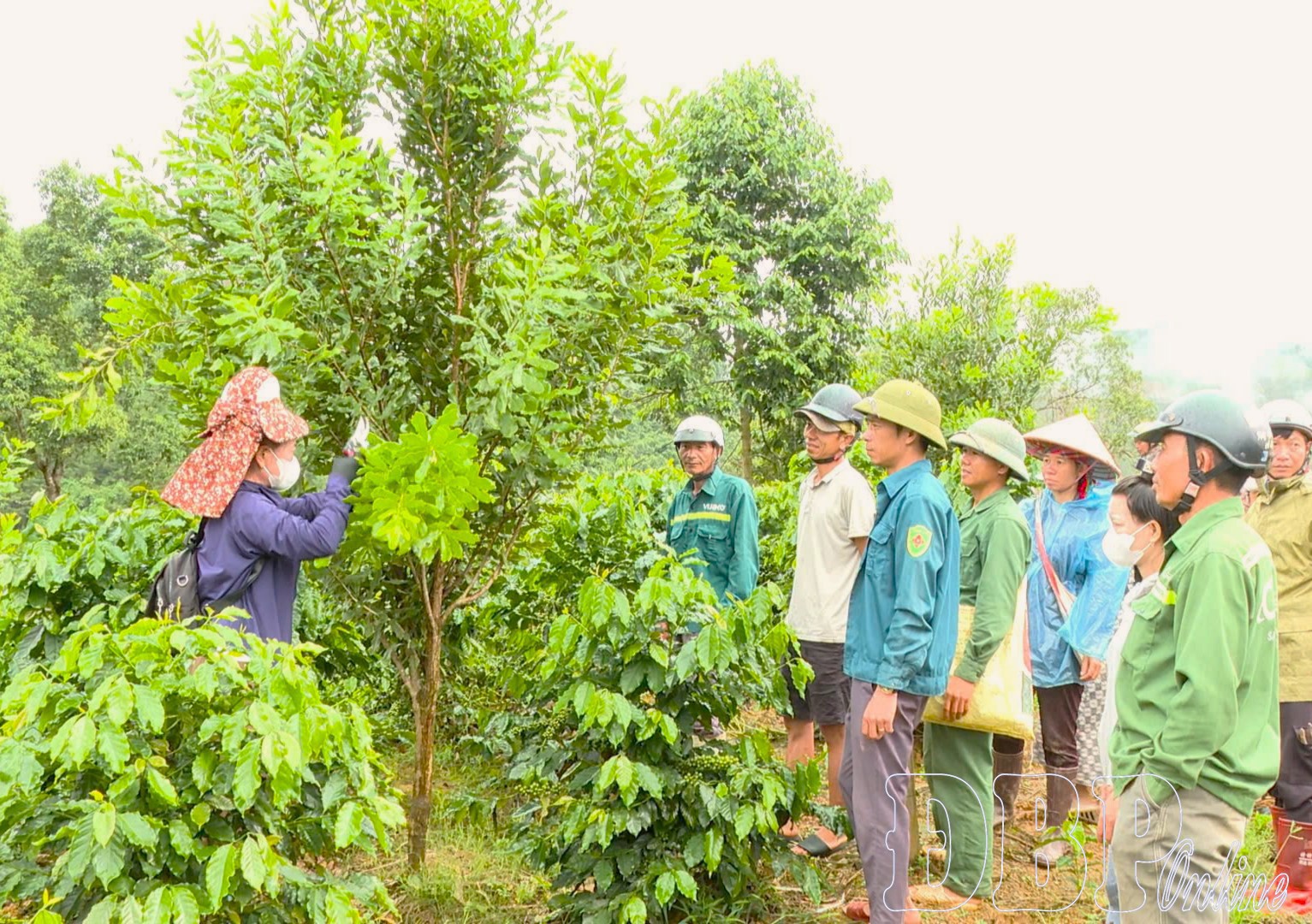
Alongside the provision of agricultural inputs, the commune has directed its Economic Division and General Services Center to work with project leads and partner organizations to provide technical guidance on digging planting holes, planting trees and caring for them. Armed forces personnel, officials, public employees, socio-political organizations and local residents have also been mobilized to prepare land, dig holes and plant trees, helping reduce farmers’ initial investment costs. So far, coffee and macadamia trees are generally growing well, with survival rates exceeding 95%.
Nhữ Duy Đông, Chairman of the Quài Tở commune People’s Committee, said mobilizing different groups to work together had helped build consensus and strengthen commitment to implementing the projects, while easing the difficulties residents faced in getting production underway. Under the projects, purchase agreements have been signed with businesses and other partners to secure outlets for agricultural products, gradually addressing marketing challenges and increasing product value. These initial results are helping drive crop restructuring, expand raw-material zones and lay the groundwork for commercial-scale agricultural production.
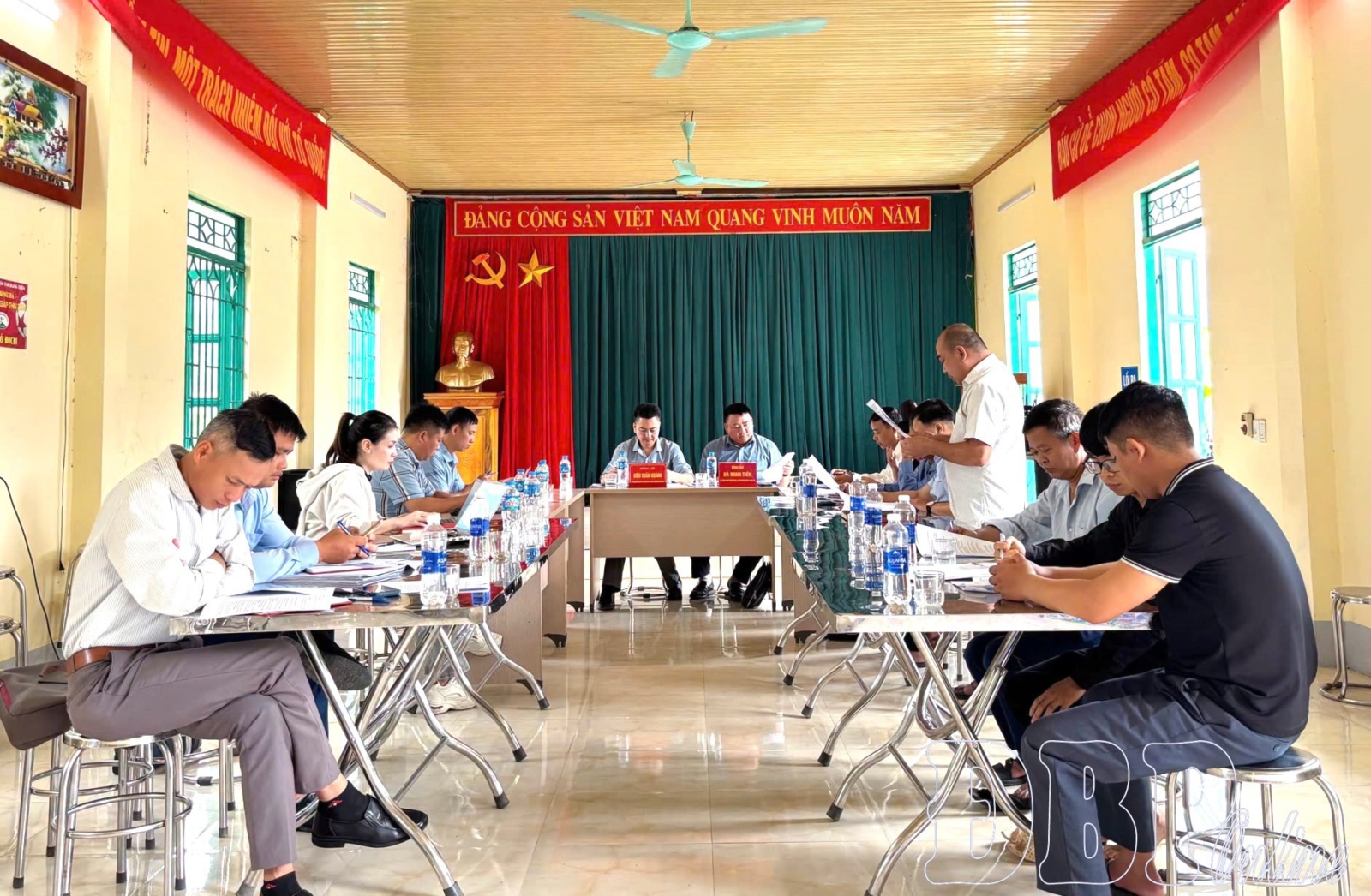
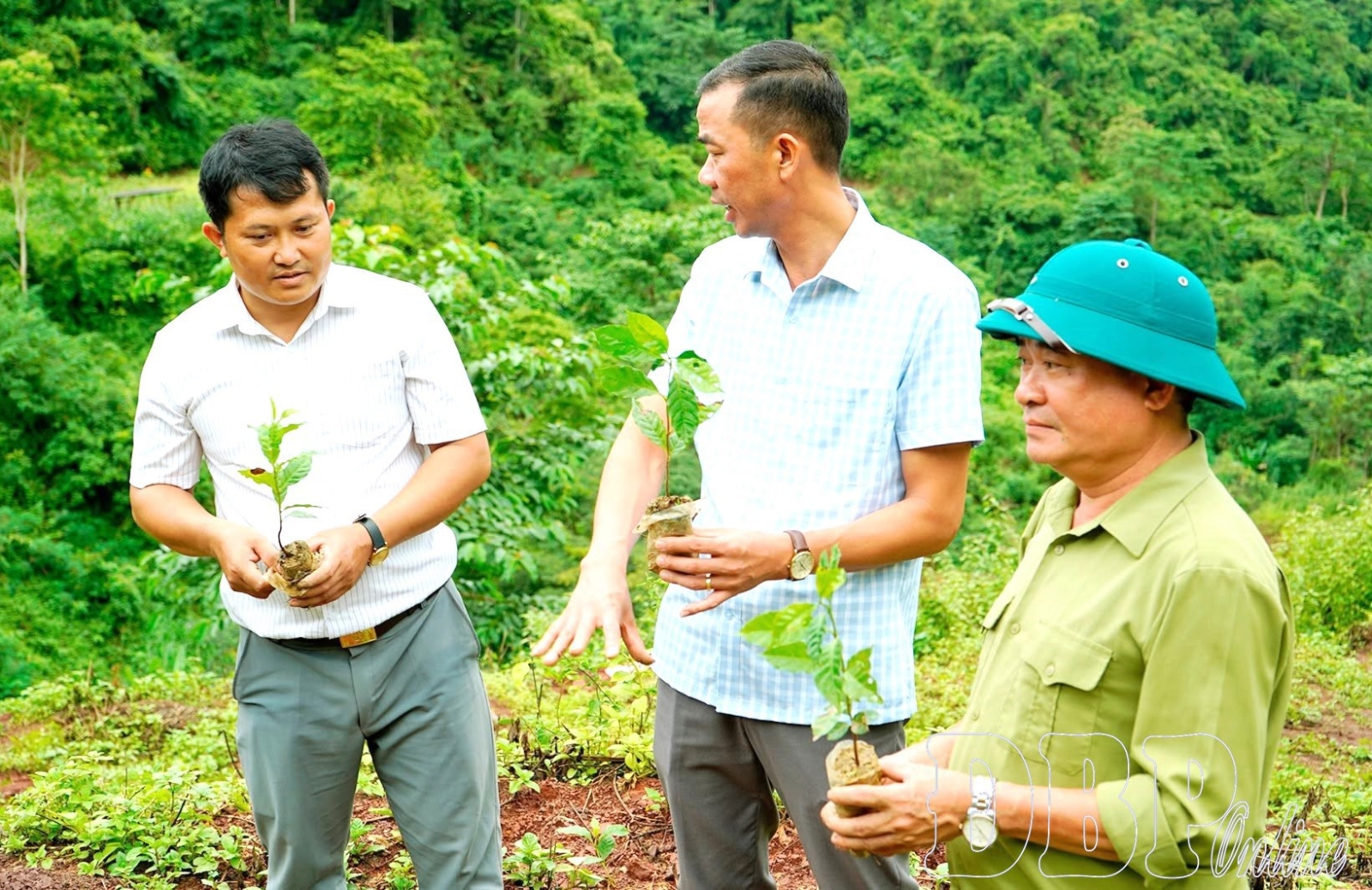
To support agricultural production under the national target programs, Búng Lao commune has approved 22 value-chain linkage projects associated with product sales. These include six macadamia projects carried over from the former Chiềng Đông commune in the former Tuần Giáo district and 16 projects for new coffee and macadamia plantings.
Through these projects, the commune has supported the establishment of more than 400 hectares of new coffee plantations and over 400 hectares of macadamia intercropped with coffee to provide shade. Both figures exceed the targets assigned by the province. The commune has also prioritized training and technical guidance on planting and caring for crops for more than 610 local households.
Kiều Xuân Hoàng, Vice Chairman of the Búng Lao commune People’s Committee, emphasized that providing seedlings and agricultural inputs to the right beneficiaries and in line with their needs helps ease initial difficulties, giving farmers greater confidence to change their crop structures and expand production. Alongside project implementation, the commune has focused on managing funds and ensuring they are used for their intended purposes, with financial accounting and final settlement carried out in accordance with current regulations. These efforts are helping the national target programs deliver results and establish a foundation for coffee and macadamia production zones, with the aim of raising incomes and improving local living standards.
Through the national target programs, Điện Biên province is working to improve policy mechanisms and mobilize resources to support agricultural production. Production support is a key measure for restructuring crops and livestock, developing commercial-scale production areas linked to product sales, and creating sustainable livelihoods for local residents, particularly poor households and ethnic minority communities.
According to a report on the implementation of the national target programs through September 2026, the provincial People’s Committee had adjusted capital allocation plans and recurrent expenditure estimates for previous years’ funding carried forward into 2026 on four occasions. More than VND 550 billion in state budget funding for the three programs covering the 2021-2025 period was authorized to be carried forward into 2026. As of August 31, 2026, more than VND271 billion had been disbursed.
The national target programs are providing resources to drive socio-economic development and improve people’s lives. Proactive efforts by authorities and relevant agencies to address implementation difficulties are helping ensure that funds are used for their intended purposes and deliver tangible results. In particular, production support combined with technical training, the development of raw-material zones and market linkages is playing an important role in raising incomes and helping residents escape poverty sustainably.
Phạm Quang
You have 500/500 characters left
Please enter 5 or more characters!!!