



The involvement of project owners, local administrations, elected bodies, and communities contributes to tightening discipline, improving governance efficacy, and ensuring investment resources are utilized for designated purposes and generate long-term value.
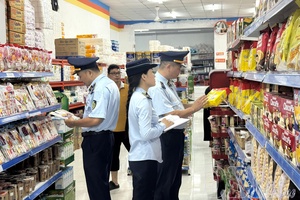
To date, construction progress on the Provincial Museum project has reached 52% of the contract value. To guarantee engineering quality, structural integrity, and project schedule, the Management Board for Civil and Industrial Construction Works has stationed two supervisory officers permanently on site around the clock, regularly inspecting work packages and promptly identifying and rectifying shortcomings during construction.
Nguyễn Hải Nghĩa, an officer of the Supervision and Project Management Division (Management Board for Civil and Industrial Construction Works), stated: “We are regularly present at the construction site, closely tracking every work package, both urging progress and controlling quality, while promptly advising leadership on resolving bottlenecks.”
Throughout the implementation of construction investment programs and projects, the supervisory role of project owners is paramount, contributing to controlling progress, quality, and capital utilization efficiency. The Management Board for Civil and Industrial Construction Works currently maintains approximately 60 supervisory cadres. Following the dissolution of regional project management boards, the unit took over additional works and projects, prompting it to continue signing contracts with supervisory consulting firms to augment management capacity.
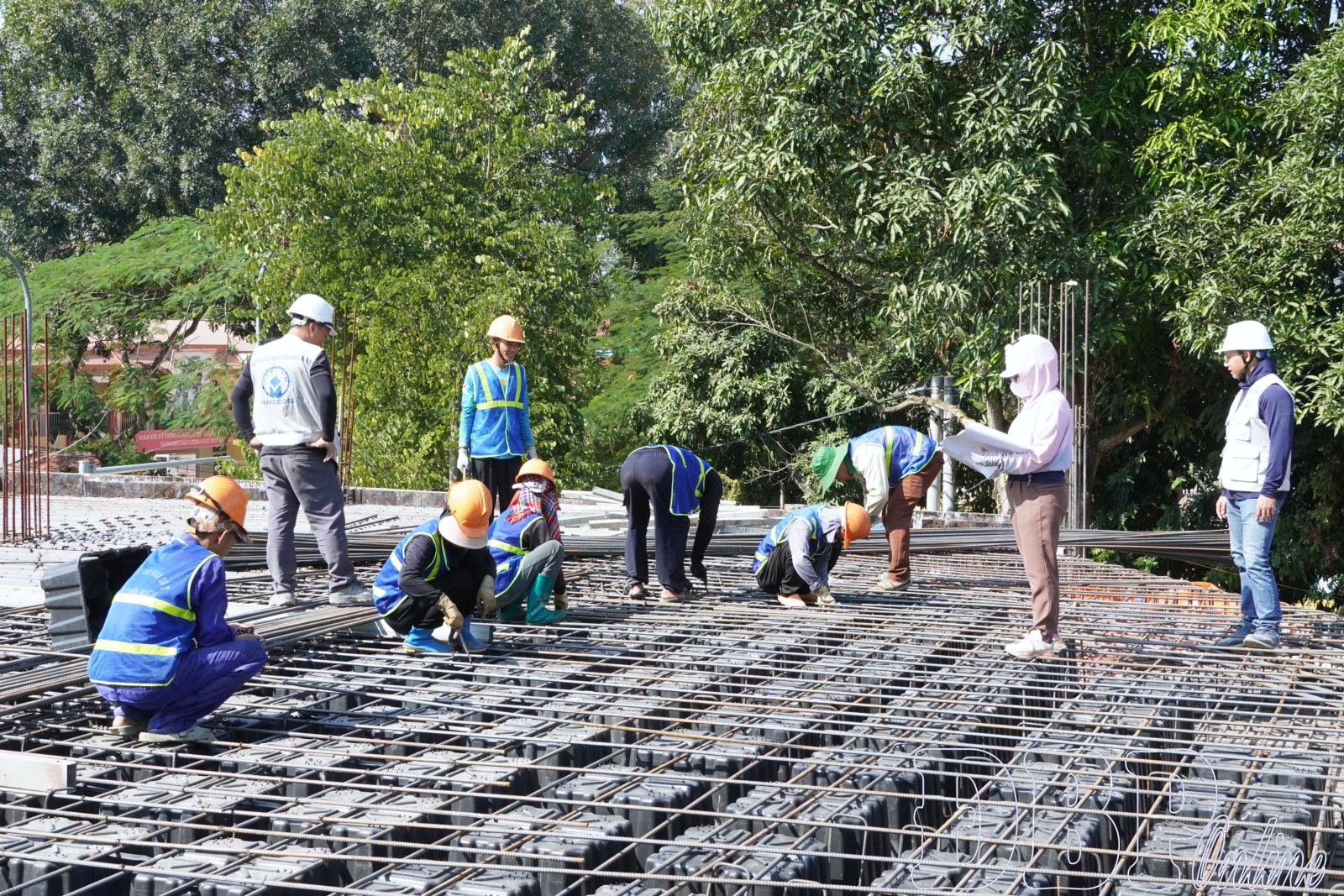
Nguyễn Duy Vĩnh, Deputy Site Chief from Hà Nội Housing Investment and Development Joint Stock Company No.52 (the contractor constructing the provincial Museum project), emphasized: “Supervisory work on site plays a very important role, helping control material quality and construction procedures, and promptly detecting and addressing mistakes, ensuring works fulfill technical and design specifications.”
Alongside the supervisory role of project owners, to elevate openness and transparency in executing programs and projects, localities have focused on promoting the people’s role through Community Investment Supervision Boards. Based on guidelines from the provincial Việt Nam Fatherland Front Committee, Mường Lạn commune established one Community Investment Supervision Board comprising seven members. From early this year to date, the Board has supervised two projects repairing and renovating school items in the locality and submitted eight recommendations to relevant entities.
Vương Đình Hoàng, Chairman of the Việt Nam Fatherland Front Committee of Mường Lạn commune, said: “To perform supervisory functions and tasks well across local works and projects, members of the Community Investment Supervision Board must proactively learn, research, and step by step elevate specialized and technical understanding to identify issues requiring petition, untangle difficulties, and promptly rectify shortcomings during execution.”
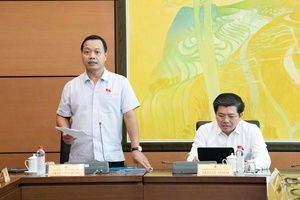
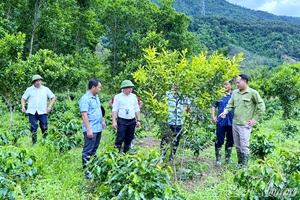
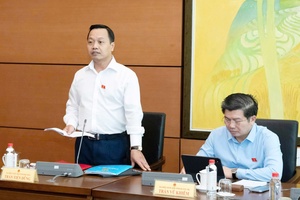
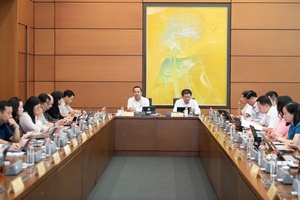
Coupled with elevating supervisory roles, pre-investment survey work carries critical significance, contributing to assessing necessity, accurately identifying practical demands, and elevating budget capital utilization efficiency. The Economic - Budget Board of the provincial People’s Council coordinated with other boards of the provincial People’s Council to survey projects slated for new construction starts under the medium-term public investment plan for the 2026-2030 period under national target programs for new-style rural development, sustainable poverty reduction, and socio-economic development in ethnic minority and mountainous areas. The delegation conducted field inspections across 17 out of 20 projects in 16 communes, while listening to reports from units to clarify related contents.
Under the plan, 20 projects funded by the provincial-level budget have an estimated capital allocation of nearly VND 230 billion, encompassing 8 transport projects and 12 domestic water supply projects. Through surveys, evaluating actual field conditions and cross-referencing demands with execution capacities help identify issues requiring refinement before investment decisions are finalized. This contributes to raising project preparation quality, curbing scattered investments, ensuring resources serve designated objectives, and delivering practical efficacy for the people’s livelihoods.
Practical implementation of works and projects across the province has affirmed the vital role of supervision in elevating investment quality. Therefore, alongside strengthening the accountability of project owners and regulatory bodies, strict oversight ensures works satisfy statutory standards, curbs waste of investment resources, brings practical benefits to the community, and creates momentum for sustainable local development.
Phạm Quang








You have 500/500 characters left
Please enter 5 or more characters!!!