



In response to demands for commercial agricultural development and income generation for local residents, the Northern Mountainous Agriculture and Forestry Science Institute (NOMAFSI) is implementing a provincial-level science and technology project titled “Restoring and developing the genetic resources of Điện Biên Hmông cucumber into a commercial commodity value chain” in Quài Tở commune.
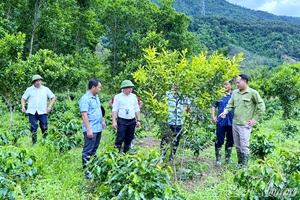
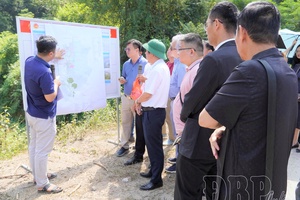
From January 2026 to date, the research team has conducted field investigations into cucumber production status and varietal characteristics across Quài Tở, Tủa Chùa, Nà Hỳ, and Na Sang communes. Surveying and data collection provide the foundation for the research team to evaluate prevailing cultivation conditions, identify varietal traits, and select starting genetic materials for restoration.
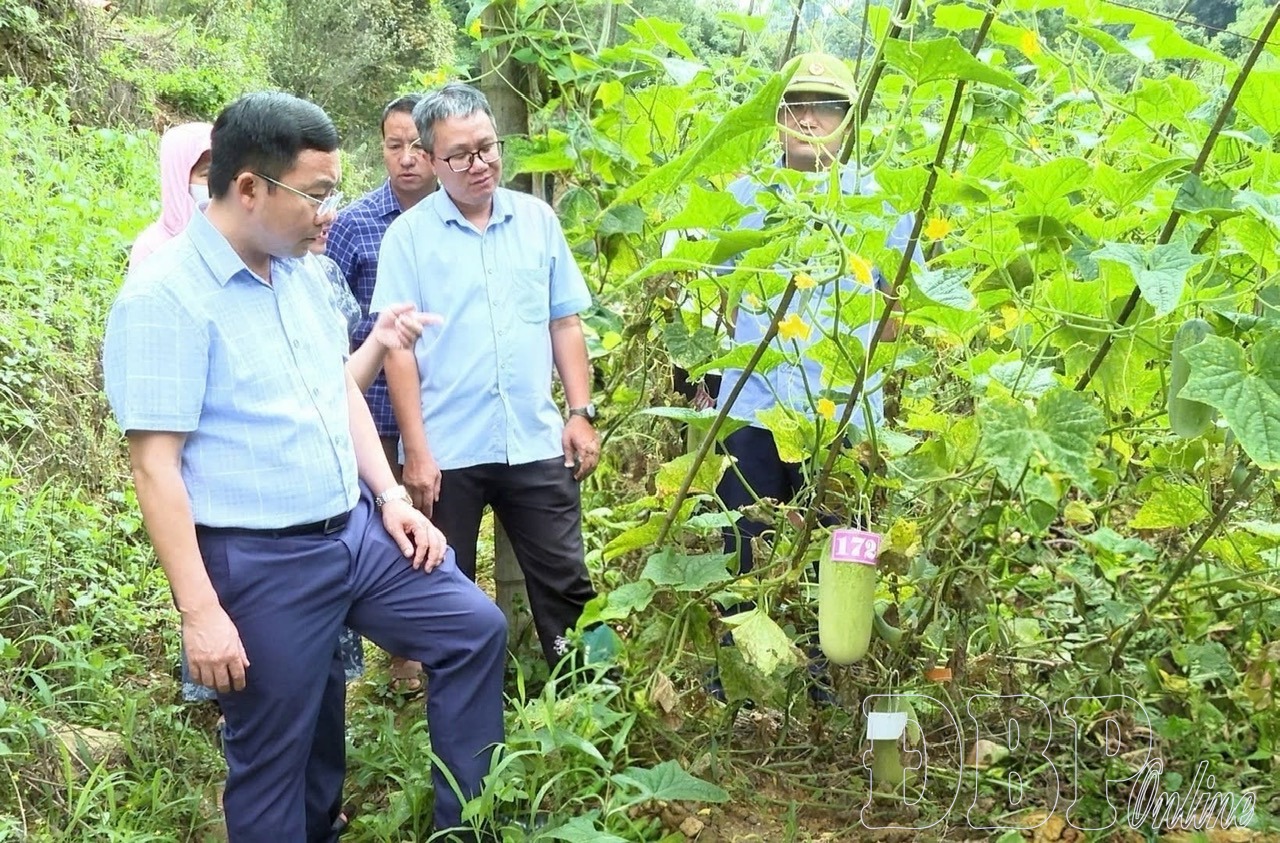
To serve evaluation, selection, and the preservation of desirable varietal traits, the research team gathered over 40 seed accessions from major cultivation hubs in the province. The researchers evaluated and selected 300 individual plants in the first crop cycle across an area of 0.6ha in Quài Tở commune.
By the second crop cycle, the study continued evaluating and selecting 200 lines across 0.4ha. Grounded in hands-on farming realities, local farmers understand soil conditions, weather patterns, and local cultivation habits better than anyone. When traditional experience converges with scientific findings, varietal selection and agronomic protocol refinement gain a firmer basis to match practical conditions.
Vàng A Phình in Lồng village (Quài Tở commune) shared: “My family has grown Hmông cucumbers for the past 10 years, but in recent years the cucumbers developed crooked, deformed shapes and irregular sizes. Therefore, we decided to participate in the Điện Biên Hmông cucumber restoration model to recover and preserve superior, uniform varieties that fetch high prices, giving villagers a firmer basis to expand acreage and increase incomes from this familiar crop.”
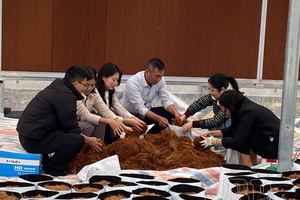
The project focuses on developing technical protocols for commercial Hmông cucumber production tailored to provincial conditions, centering on optimal planting schedules, spacing and planting density, bio-organic fertilizer dosages, and trellising techniques.
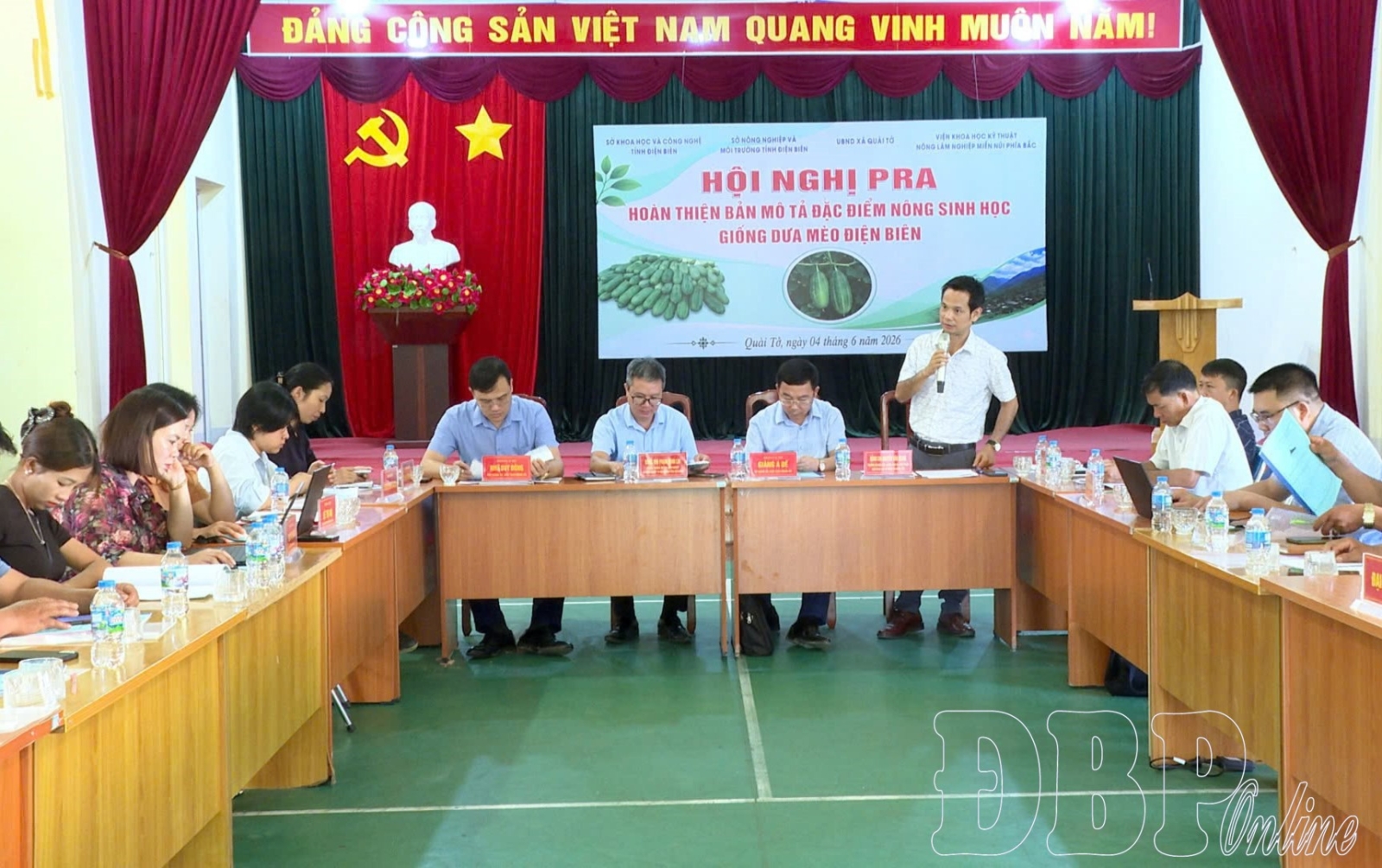
In practice, preserving indigenous plant varieties proves sustainable only when linked to production demands and market consumption capacities. Therefore, alongside coordinating research activities, the locality has emphasized outreach so that residents comprehend the value of Hmông cucumber genetic resources, proactively engage in varietal preservation, and adopt technical advances. Once research yields sufficient scientific validation, organizing production must take into account soil conditions, household scales, value chain linkages, and market needs.
Nhữ Duy Đông, Chairman of the Quài Tở commune People’s Committee, stated: “The locality determines that conserving and promoting native plant varieties must be linked with expanding production and elevating people’s incomes. The commune has coordinated with specialized agencies during project implementation, mobilized public participation, and researched scaling-up potential once technical protocols are finalized with concrete evaluation results.”
From production surveys and germplasm collection to multi-generational evaluation, selection, and technical protocol research, the project is steadily establishing a scientific foundation for Hmông cucumber development across the province. From a familiar native crop, the Hmông cucumber is opening a fresh approach to production based on scientific rigor, standardized technical protocols, and the progressive establishment of concentrated raw material commodity zones.
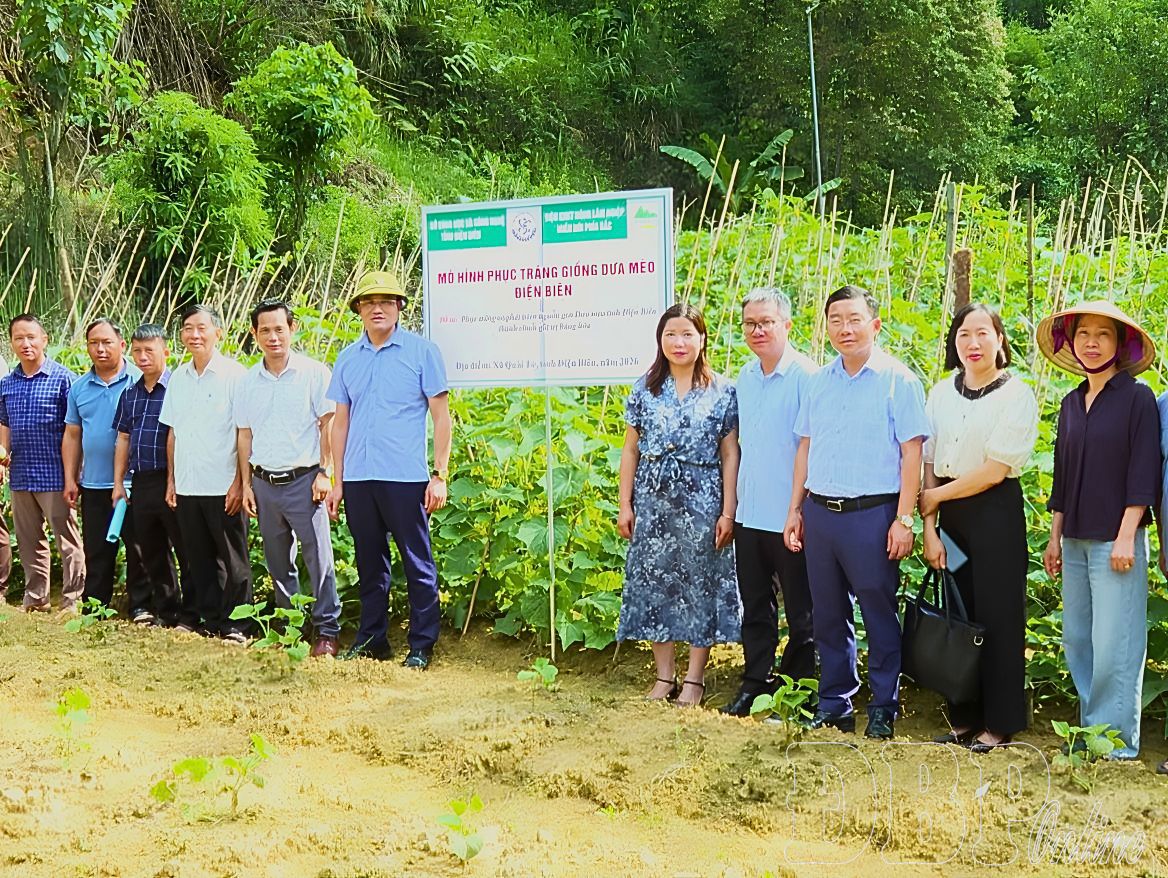
According to Nguyễn Văn Giang of the Northern Mountainous Agriculture and Forestry Science Institute, the Hmông cucumber is one of Điện Biên province’s valuable indigenous plant genetic resources, closely entwined with the productive life, culture, and livelihoods of highland ethnic minorities - especially the Mông people in the Pha Đin Pass area. Preserved and cultivated across generations, the Hmông cucumber serves as both a staple food in household diets and a significant source of income for local farmers.
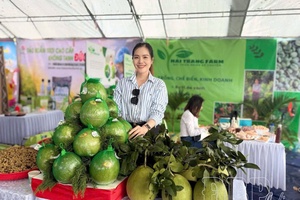
During harvest season, large, richly flavored cucumbers are transported to periodic highland fairs and sold in local markets, helping improve livelihoods and creating income for highland households. However, to help this crop yield greater economic value, genetic preservation must be coupled with varietal restoration, quality enhancement, and commercial production organization. This also serves as the cornerstone for progressively constructing a value chain for Điện Biên Hmông cucumbers.
Restoring and developing the Hmông cucumber variety contributes significantly to conserving indigenous plant genetic resources while unlocking an effective path to tap local agricultural potential. On the basis of perfected technical protocols, promoting farmers’ initiative, and steadily aligning production with market demands, the Hmông cucumber gains favorable conditions to grow into a distinctive specialty agricultural product, helping diversify livelihoods, elevating farm produce value, and laying a solid foundation for sustainable commercial agriculture.
Quang Hưng









You have 500/500 characters left
Please enter 5 or more characters!!!