



From August 13, 2026 to date, the province has recorded no new outbreak clusters. However, facing lingering risks of disease resurgence, maintaining vaccinations, post-vaccination surveillance, flock monitoring, and proactive prevention measures right from the grassroots level remain imperative.
Between May 8 and August 12, 2026, avian influenza occurred across 16 households in 5 communes and wards: Mường Thanh, Nậm Nèn, Tủa Chùa, Thanh Nưa, and Thanh Yên. Total dead and culled poultry reached 18,064 birds, weighing 21,718kg. Concurrently, 4.6kg of assorted poultry eggs were culled to control infection sources and curb the risk of spreading pathogens to surrounding areas.
Following the containment of outbreak clusters, the avian influenza situation across the province has progressively stabilized. The fact that no new outbreaks have arisen from August 13 to date represents a positive outcome in epidemic prevention and control, creating conditions for localities to consolidate preventive measures and proactively protect poultry flocks.
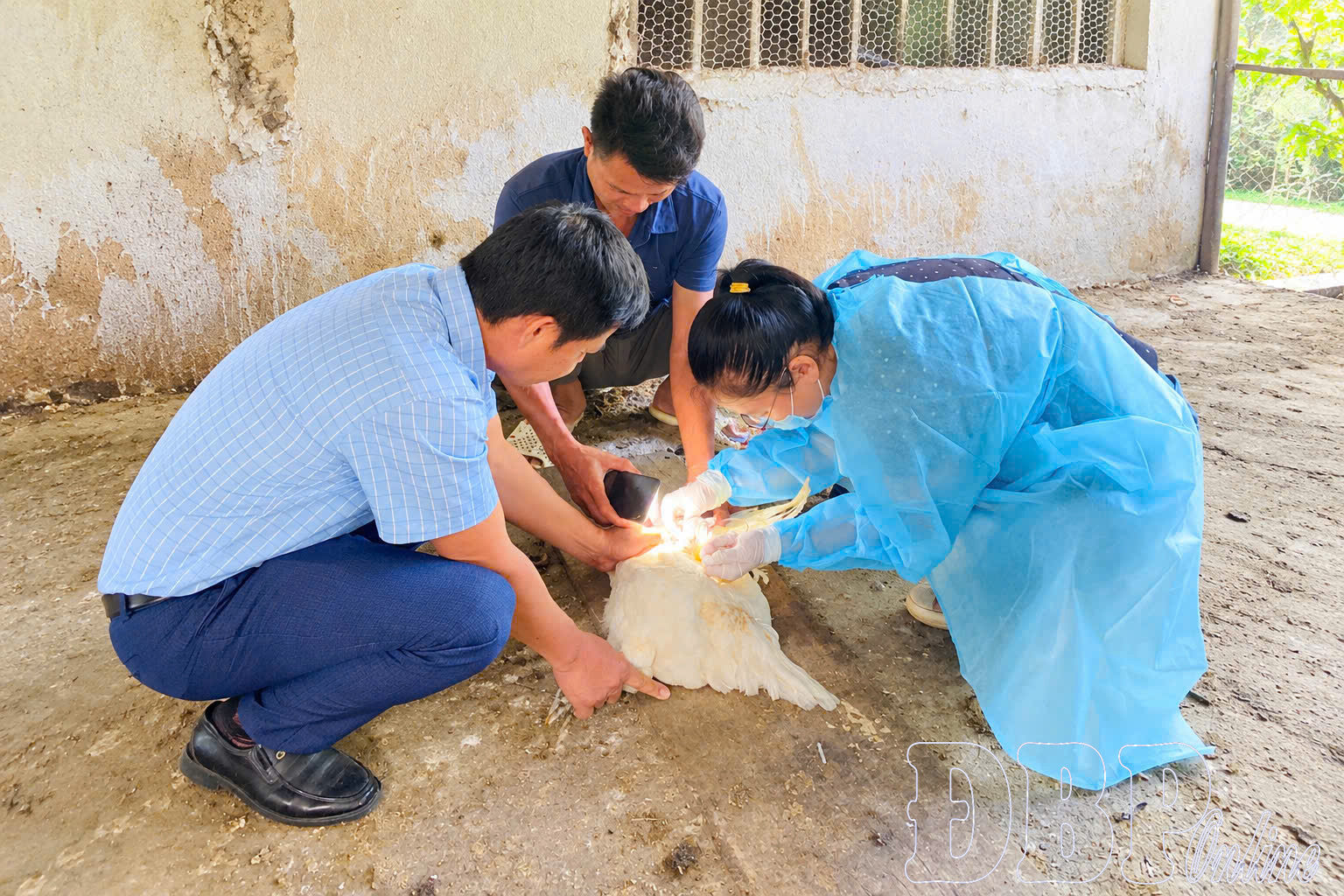
In livestock epidemic prevention and control, vaccination is identified as a critical solution to establish immunity and reduce the risk of disease outbreaks and transmission. Avian influenza vaccination drives have been deployed across communes and wards. Nguyễn Đình Lai, Head of the Agriculture Sub-department under the Department of Agriculture and Environment, stated: “Recent epidemic developments show that avian influenza must be proactively prevented and combated right from the grassroots, rather than waiting for outbreaks to appear before taking action. Therefore, preventive solutions must be deployed synchronously, including administering vaccinations according to schedule, regularly monitoring poultry flocks, conducting post-vaccination surveillance, and promptly handling any signs of abnormality detected in poultry.”
Under the operational plan, in 2026, the province allocated 501,800 doses of avian influenza vaccine to serve inoculation campaigns. Executing the plan, starting June 24, 2026, the Agriculture Sub-department handed over 264,200 vaccine doses to communes and wards for the first vaccination phase of 2026. Distributing vaccines to the grassroots helps localities proactively organize injections according to schedule, while tethering vaccination campaigns to monitoring livestock husbandry and epidemic realities in each area.
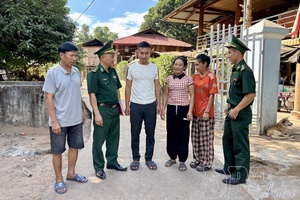
As the locality with the highest number of infected households during the recent outbreak, in phase 1 of 2026, Thanh Yên commune received 52,200 doses of avian influenza vaccine and organized vaccinations across 20 out of 20 villages and villages starting in mid-July. Alongside vaccination, the locality stepped up communication and instructed residents on executing biosafe husbandry measures: proactively cleaning and disinfecting barns, monitoring poultry flock health, curtailing contact with pathogen sources, and strictly avoiding concealing outbreaks or panic-selling diseased birds. Livestock farmers are advised to promptly notify local administrations or specialized veterinary agencies upon detecting abnormal symptoms in poultry, contributing to early detection and grassroots containment.
Parallel to vaccination drives, the specialized sector conducts post-vaccination surveillance at the grassroots level. Currently, the Agriculture Sub-department has collected post-vaccination surveillance samples in Thanh Yên and Thanh Nưa communes. Sampling and post-vaccination monitoring provide specialized bodies with added empirical grounds to assess vaccination efficacy and immune response levels across poultry flocks.
According to Nguyễn Đình Lai, post-vaccination sampling aims to monitor herd immunity and assess disease outbreak risks in poultry flocks. Surveillance results enable specialized bodies to evaluate vaccination efficacy and detect anomalies early to formulate appropriate handling measures. This remains a mission that must be maintained - particularly across localities that previously experienced outbreak clusters - contributing to mitigating risks of epidemic recurrence.
Although avian influenza has been controlled, disease risks still demand the regular maintenance of preventive measures executed synchronously from the grassroots. By maintaining vaccination drives, stepping up post-vaccination surveillance, and proactively tracking epidemic conditions across localities, avian influenza prevention and control across the province is being deployed along proactive lines with early intervention. This contributes to protecting poultry populations, mitigating losses for farmers, maintaining production stability, and establishing conditions for livestock husbandry to develop safely and sustainably.
Minh Thảo











You have 500/500 characters left
Please enter 5 or more characters!!!