



The consensus of local residents in handing over land and clearing sites to construct resettlement zones contributes to resolving bottlenecks and accelerating the progress of this key provincial transport project.
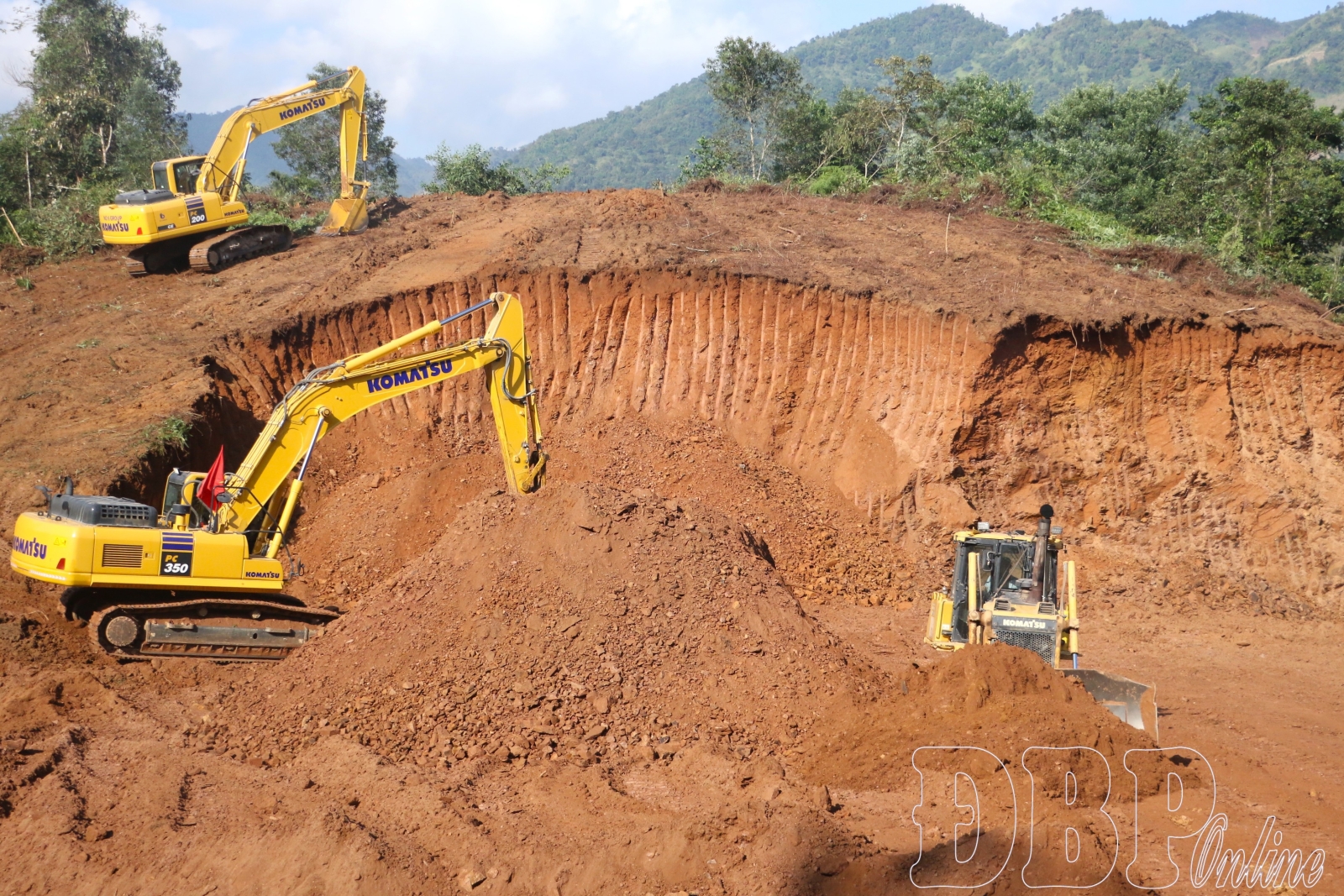
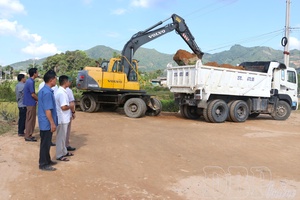
At the Lịch Cang village resettlement area, construction proceeds with urgency. Ground leveling is carried out according to planning to prepare infrastructure construction conditions, arranging new accommodations for displaced households affected by the project. For local residents, the early completion of the resettlement area bears practical significance, helping families stabilize their living conditions and move with peace of mind to new homes when the project rolls out.
According to the master plan, the Lịch Cang village resettlement area covers approximately 2.5ha, arranging 27 resettlement plots. Alongside residential land, the resettlement area receives investment in internal road networks, drainage, domestic water supply, public lighting, and a community cultural house. These works aim to guarantee essential living conditions for residents after moving to their new accommodations.
To secure ground for deployment, communication and mobilization have been prioritized, helping residents clearly understand the purpose and significance of the project, as well as their rights and responsibilities throughout compensation, support, and site clearance. Numerous households have demonstrated agreement with the policy, standing ready to coordinate so that resettlement area construction proceeds smoothly.
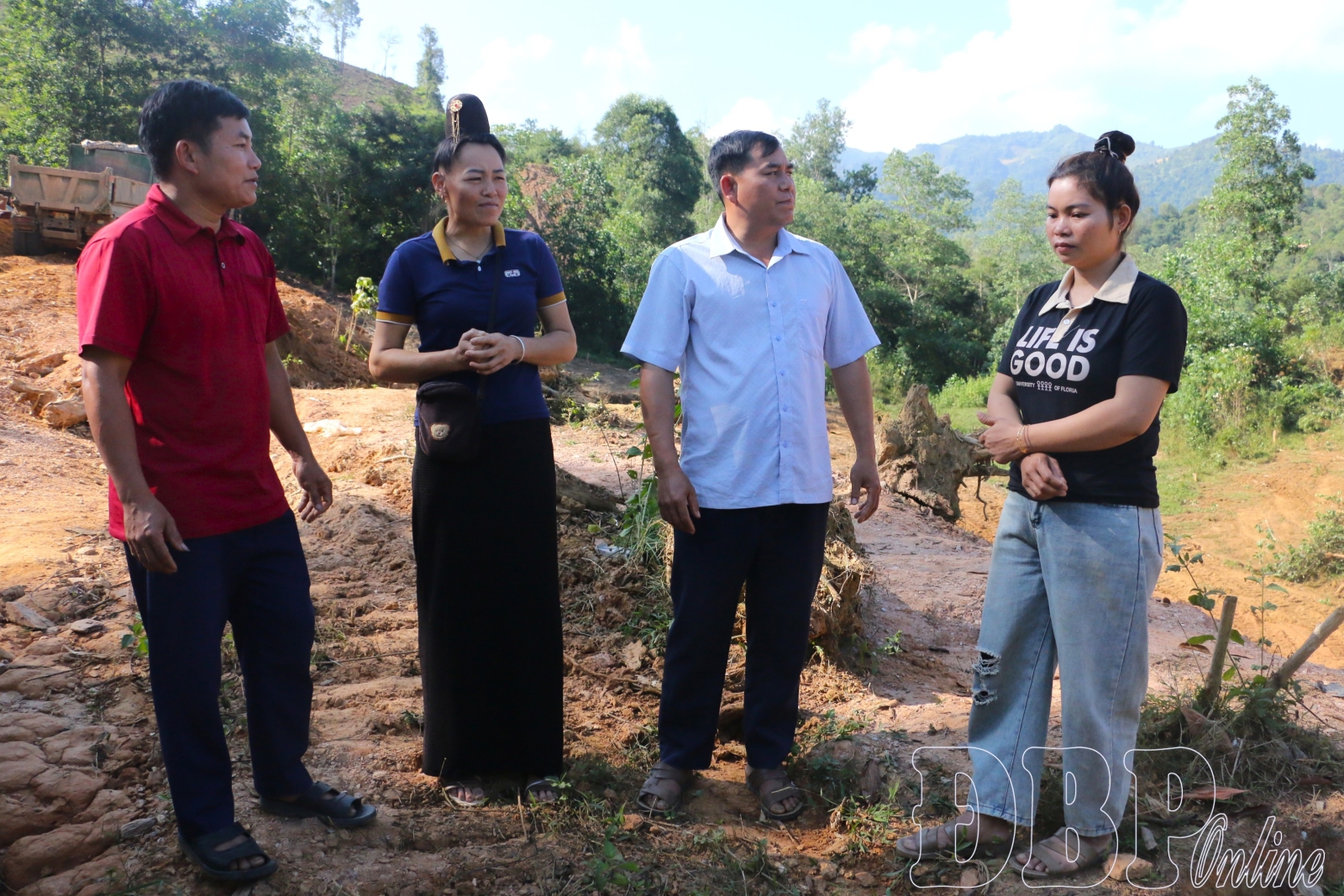
Quàng Văn Thân, head of Lịch Tở village, Mường Lạn commune, said: “In the village, six households with homes located along the main alignment of the expressway must relocate. Through communication and mobilization, residents agreed with the compensation and support plan, standing ready to hand over sites to the construction contractor once moved to new accommodations. Currently, the resettlement area is being deployed and the villagers are very enthusiastic. We hope the project finishes early so affected households have stable housing.”
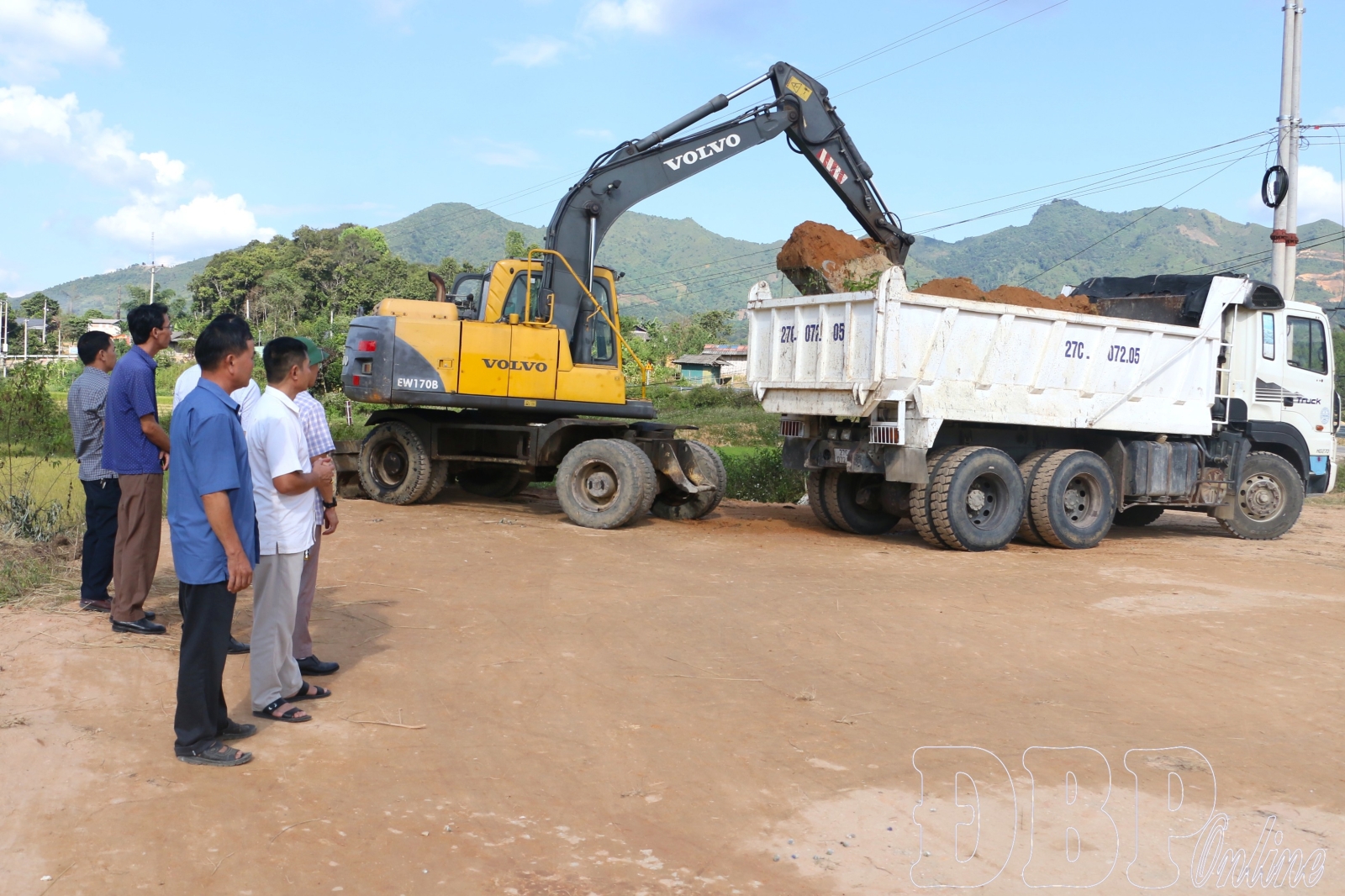
In Mường Phăng commune, site clearance serving resettlement construction is also underway. At the Lọng Luông village resettlement area, machinery has been mobilized to level the ground. Households with land within the project’s acquisition scope have agreed to hand over land, coordinating with local authorities and construction contractors to accelerate progress.
Cứ A Chu, a resident of Lọng Luông village, owns 7,000m² of paddy fields situated within the resettlement construction perimeter. After reaching agreement with the compensation and support plan in accordance with regulations, his family focused on harvesting the rice to hand over the site to the construction contractor.
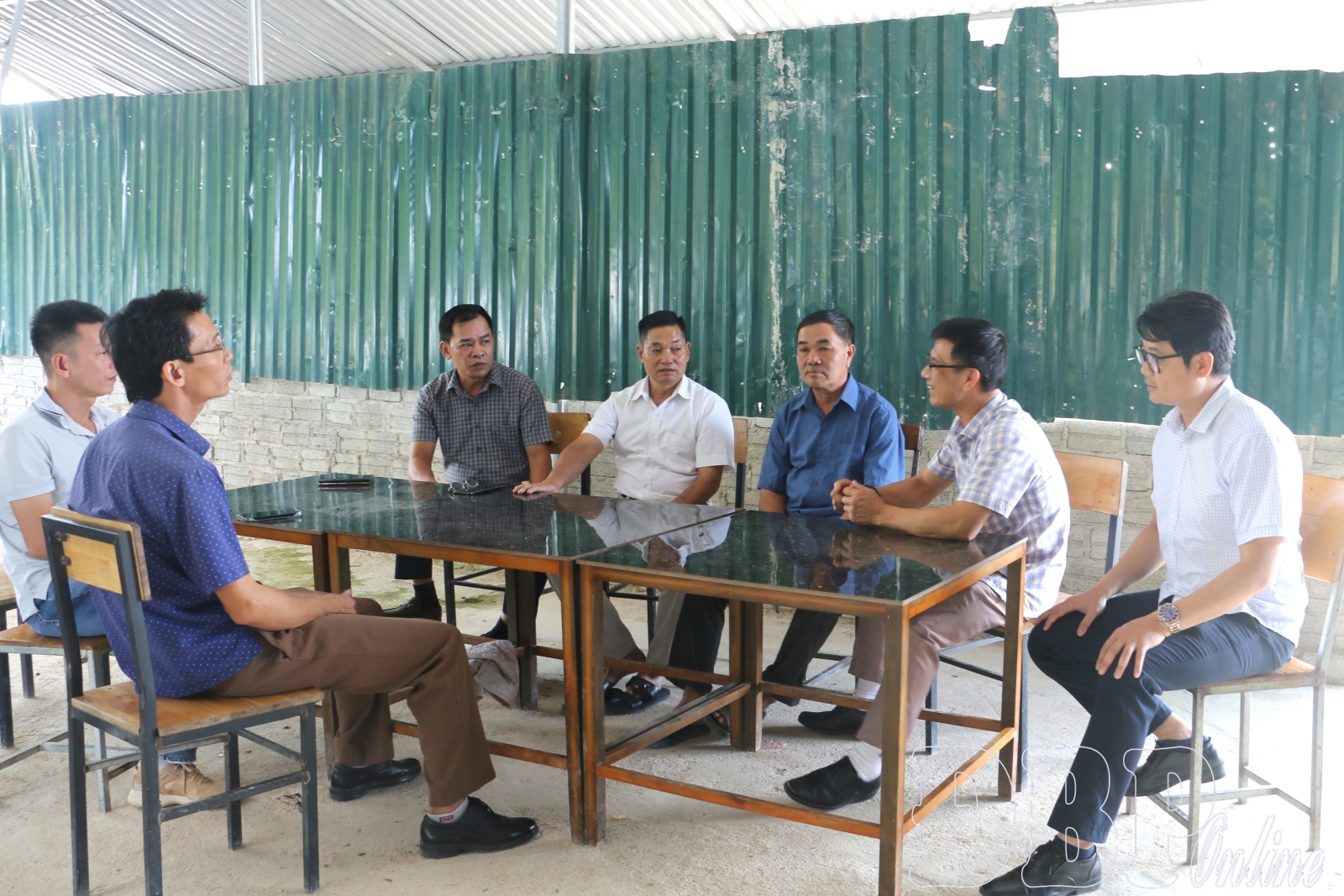
In Yên village, Mường Phăng commune, the family of Lò Văn San must relocate for resettlement. San’s family possesses over 1,000m² of land, comprising a three-story house and adjacent residential land; currently operating a guesthouse business generating an income of over VND 30 million per month. Land acquisition directly affects his family’s residence and commercial activities. Nonetheless, complying with the policy to implement the project, his family agreed to the compensation plan. San shared: “We hope the resettlement area is completed early so we can stabilize our lives soon.”
Popular consensus is manifested through concrete actions, even when project implementation impacts production land, housing, or livelihoods. This establishes a baseline for local authorities to continue coordinating with citizens to resolve emerging issues, ensuring site clearance progress goes hand in hand with the legitimate interests of local households.
According to the progress report in Mường Phăng commune, at the Lọng Luông resettlement site, the compensation and support plan has been appraised and publicly posted for 10 out of 10 households and one organization whose land is subject to acquisition. The acquired area, including the disposal area serving two resettlement sites, totals 2.1ha, with an estimated expenditure of VND 4.4 billion.
At the Xôm village resettlement site, the locality is organizing plan appraisals for 40 out of 40 households and one organization, involving an acquisition area of roughly 1.87ha; the estimated compensation and support sum stands at VND 5.3 billion.
Đặng Đình Đắc, Deputy Director of the Điện Biên provincial Project Management Board for Transport Construction Works, stated: “Over recent times, the Board has coordinated very proactively with the People’s Committee of Mường Phăng commune and specialized agencies to implement site clearance and construct resettlement sites. To date, households whose land is being acquired at the Lọng Luông village resettlement site have agreed with the compensation plan. Concurrently, the Board has signed construction contracts with fully capable contractors to shorten construction timelines, ensuring relocated citizens stabilize their lives early and hand over sites promptly to deploy the project.”
When sites are handed over, resettlement areas are completed early, and residents’ legitimate interests are guaranteed, the project gains additional conditions to roll out on schedule. The Sơn La - Điện Biên - Tây Trang Border Gate Expressway is expected to broaden transport connectivity, facilitate the circulation of goods, create momentum for socio-economic development, and strengthen linkages between Điện Biên and localities in the region. Popular consensus, alongside the responsibility of functional agencies, serves as a vital factor helping resolve site hurdles, creating conditions for the project to proceed smoothly.
Anh Nguyễn








You have 500/500 characters left
Please enter 5 or more characters!!!