



In Điện Biên, positive shifts in land procedure reforms, bank-enterprise linkups, and digital data development are progressively untangling bottlenecks and broadening opportunities to access resources. Once resources are unlocked, enterprises secure additional conditions to invest, scale up production, create employment, and contribute to local economic growth.

The resource access index (capital, land, etc.) is one of the sub-indices comprising the Provincial Competitiveness Index (PCI). However, accessing these resources is not always smooth, particularly for small and medium-sized enterprises (SMEs) and cooperatives. Recognizing these obstacles, the province assigned specialized agencies to take charge of specific mission clusters aimed at improving this index: the Department of Agriculture and Environment oversees land-related tasks, while the State Bank of Việt Nam Regional Branch 3 spearheads credit connectivity.
Regarding land resources, the primary requirements are making planning information transparent, shortening procedural processing timelines, and curbing emerging complications. According to Lê Xuân Cảnh, Director of the Department of Agriculture and Environment, the Department has coordinated with the People’s Committees of communes and wards to review land-use planning and plans, disclose information publicly, and guide enterprises and investors in accessing sites suited to their production and business needs. Simultaneously, the Department proactively provided technical support for cadastral measurement extracts and worked closely with commune-level authorities to verify land origins and guide conditions for land-use purpose conversion for investors right from the project preparation phase.

Notably, on September 14, 2026, the provincial People’s Committee issued Decision No.2059/QĐ-UBND approving internal workflows for resolving administrative procedures in the land sector, contributing to standardizing processing times and interconnected steps. In the third quarter of 2026, all 249 land dossiers submitted by organizations and enterprises were settled ahead of statutory deadlines. Previously, the province issued Decision No.53/2026/QĐ-UBND on July 15, 2026, stipulating implementation sequences for 45 administrative procedures concerning land. This has enabled investors to proactively prepare projects, minimizing multiple requests for supplementary documentation.
Thanks to these measures, file processing time in this sector was shortened by 43.8% to 72.2% under the “green lane” mechanism. Many enterprises investing in the locality have enjoyed favorable access to land and sites. A prime example is the Mường Thanh A Urban Residential Area Project (located in Điện Biên Phủ ward), invested by NQT Quảng Ninh Construction and Trade Joint Stock Company. The project covers a total area of 5.49ha with an estimated investment capital of approximately VND 614 billion. The project requires acquiring nearly 5ha of land affecting 146 cases in Điện Biên Phủ ward. Currently, the locality has completed surveying and tallying for 145 out of 146 cases, and compensation plans have been publicly posted and approved.
While land provides the premise for organizing production, credit capital serves as the decisive resource determining the feasibility of business plans. The province has been proactive in organizing bank-enterprise linkage programs; from the beginning of the year to date, the State Bank of Việt Nam Regional Branch 3 organized eight working sessions with local Party committees and administrations across all 45 out of 45 communes and wards province-wide, drawing the participation of nearly 130 enterprises and cooperatives to discuss and grasp bottlenecks in accessing credit and propose prompt solutions.
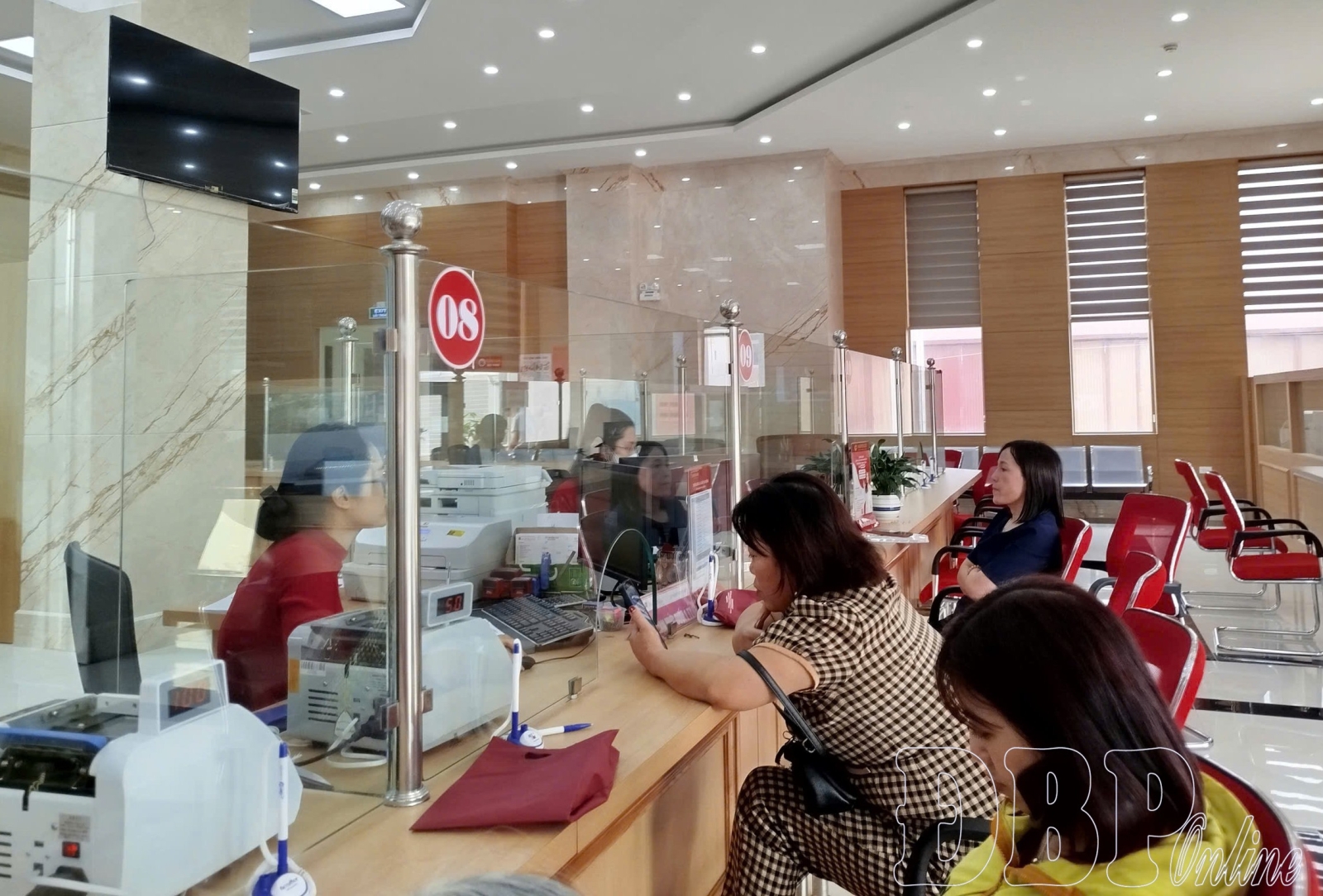
The State Bank of Việt Nam Regional Branch 3 directed local credit institutions to fully and promptly implement credit programs and policies, focusing on assisting enterprises in accessing credit funds. From early 2026 through the end of the third quarter of 2026, four dialogue sessions between banks and enterprises were convened. Through these programs, credit institutions extended new loans with outstanding debt reaching VND 1,743 billion across 199 clients, while providing interest rate and fee reductions totaling VND 13.4 billion for four clients. Cumulatively through the end of September, 373 out of 405 SMEs out of total active enterprises in the province accessed credit funds, with outstanding loans totaling VND 4,225 billion.
Nevertheless, currently only about 15.6% of enterprises operating in the province maintain credit relations with local commercial banks. A common hurdle facing small businesses and cooperatives is a lack of collateral or holding assets that fail to meet credit institutions’ valuation criteria. At a recent working session between the provincial People’s Committee and the provincial banking sector, Lê Văn Lương, Deputy Secretary of the provincial Party Committee and Chairman of the provincial People’s Committee, requested the provincial banking sector to closely follow provincial development orientations to strengthen outreach to project investors, provide timely credit services, and step up lending in agriculture.
Synchronous solutions have contributed to attracting enterprises and investors to the province. In the first nine months of 2026, Điện Biên recorded 259 newly established enterprises with total registered capital exceeding VND 1,891 billion, up 75 enterprises over the same period last year and reaching 103.6% of the annual plan. In the third quarter alone, the province licensed 62 newly registered enterprises with total registered capital of VND 472.261 billion. Over the same period, 60 enterprises resumed operations.
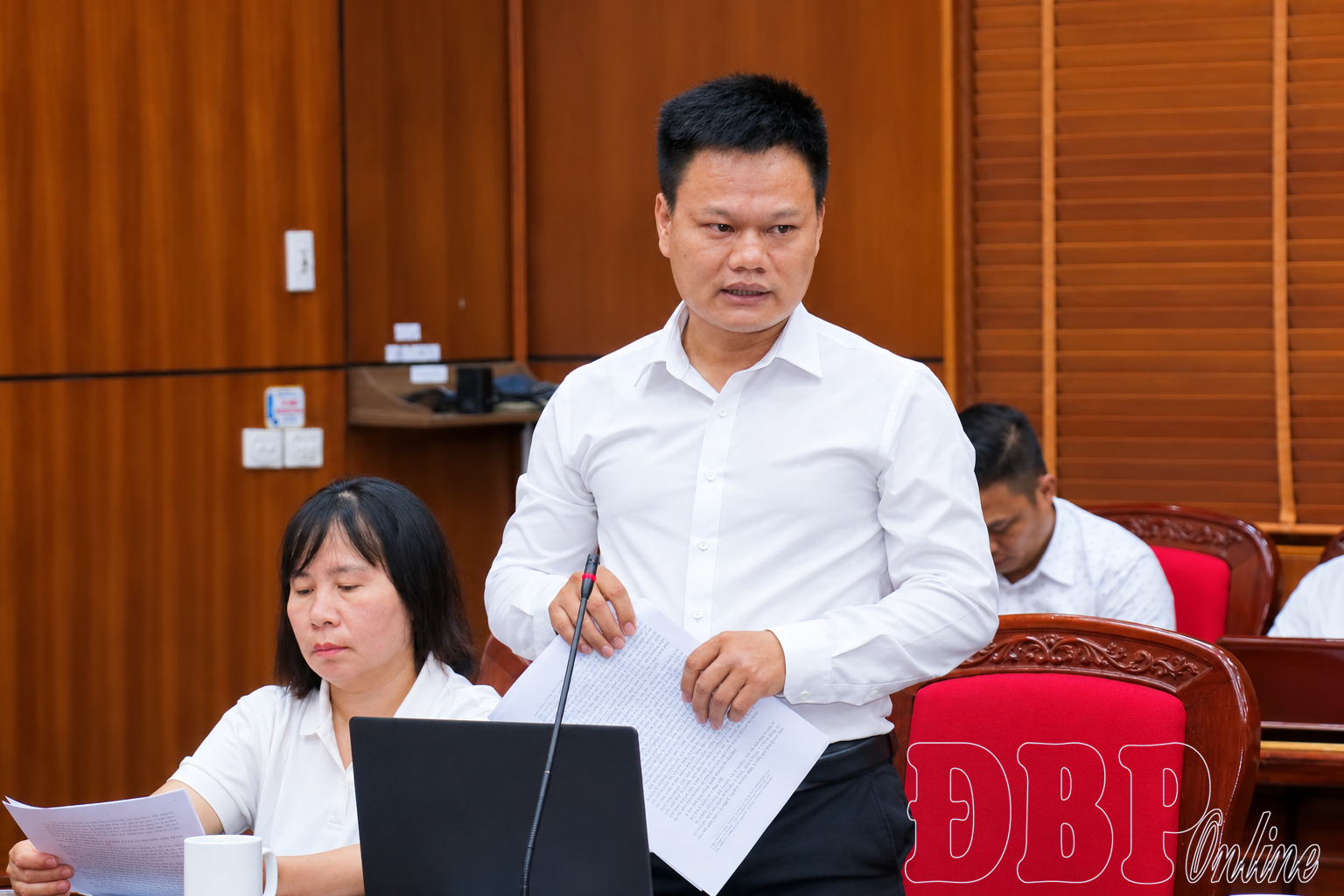
However, Điện Biên’s 2025 resource access index ranked 25th out of 34 provinces and cities nationwide. This shows that alongside positive results in business development, access to resources in service of production and business remains an issue requiring continued attention. In particular, accessing credit capital, production premises, and support policies bears vital significance for enterprises’ capacity to sustain operations, expand scale, and sharpen competitiveness.
To improve the resource access index, favorable conditions must be created for enterprises to access resources smoothly, aligned with practical demands, and utilized efficiently. Within this framework, ensuring transparency in planning information and land-use plans, streamlining administrative procedures, elevating credit appraisal quality, and diversifying capital support modalities must be synchronously implemented. In tandem, enterprises need to proactively enhance governance capacity, ensure financial transparency, and formulate feasible production and business plans to improve their access to credit and other resources.
As bottlenecks in accessing resources are gradually resolved, enterprises will gain added conditions to expand operations, generate jobs, and contribute to local economic growth. Through this, improving the resource access index is manifested not merely by higher rankings, but more crucially, by substantive transformations in access to capital, production premises, and developmental opportunities for the local business community.
Thu Phương










You have 500/500 characters left
Please enter 5 or more characters!!!