



Across Điện Biên, multifaceted solutions supporting enterprises, cooperatives, and household producers in applying standards and traceability technologies are progressively laying the ground to elevate quality, enhance competitiveness, and broaden distribution markets.
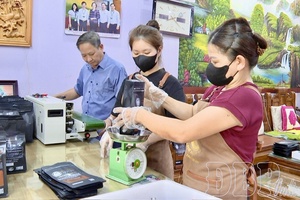
Targeting the development of 70 additional OCOP products rated 3 stars or higher in 2026 - lifting the province’s total to 227 OCOP products - while striving to bring 20% to 30% of OCOP entities into modern distribution channels such as supermarkets, convenience stores, and e-commerce platforms, Điện Biên is step by step shifting its focal point from quantity expansion toward quality enhancement, brand establishment, and market expansion. The province sets a target to have over 330 recognized OCOP products by 2030. Through August 2026, the entire province recorded 157 OCOP products rated 3 stars or higher. To enhance product quality, the Department of Science and Technology has recently identified supporting the adoption of standards, technical regulations, and productivity- and quality-boosting tools as one of its pivotal solutions. Beyond contributing to standardizing production protocols, these measures assist in quality control, making product information transparent, augmenting origin traceability capabilities, and building consumer trust.
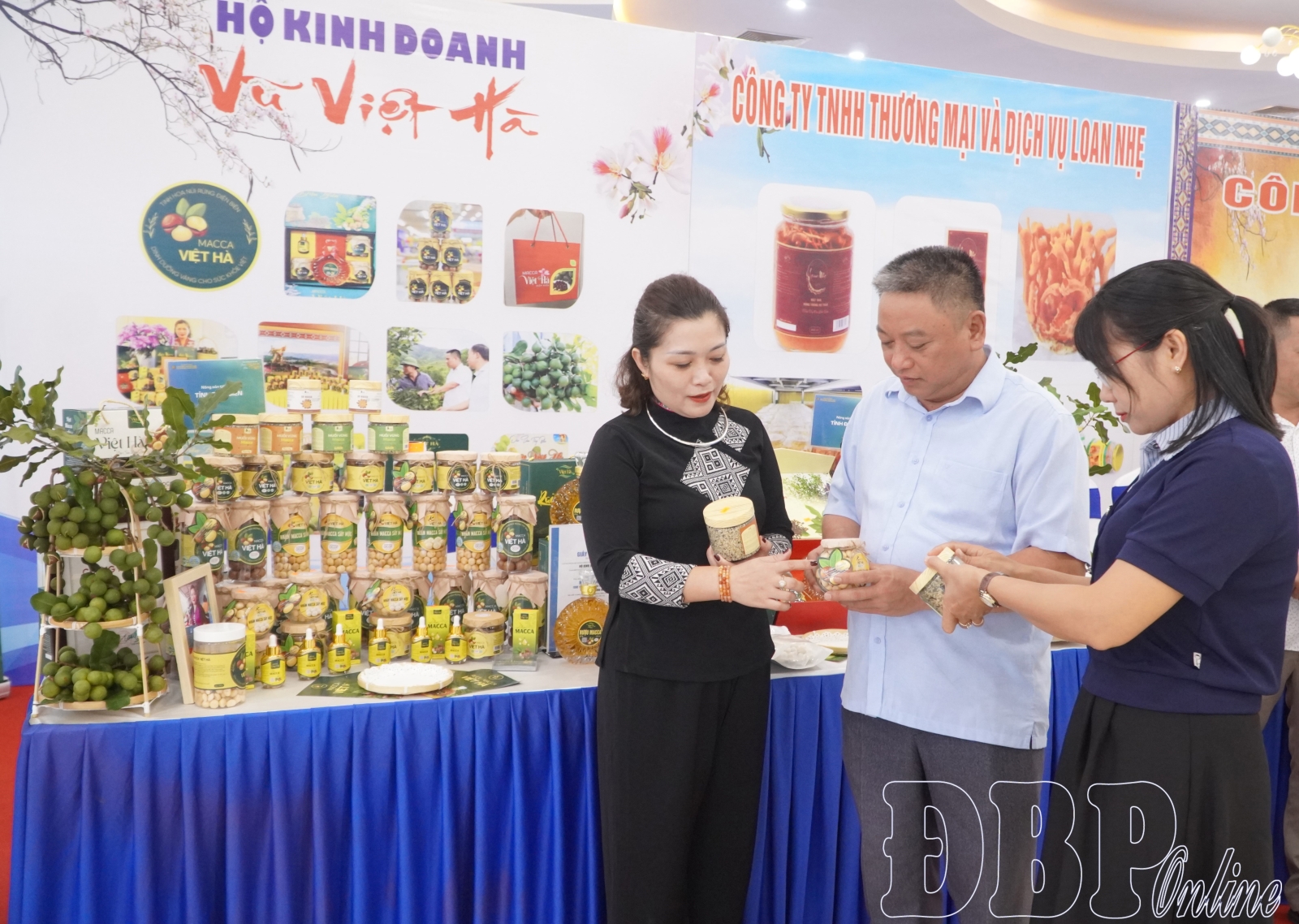
During the 2025-2026 period, numerous support activities were deployed along substantive lines closely aligned with the practical needs of enterprises, cooperatives, and OCOP entities. The Department of Science and Technology supported 5 enterprises, cooperatives, and production establishments in formulating and establishing product origin traceability protocols. The beneficiary units include: Hương Linh Co., Ltd. of Điện Biên province, Hồng Kỳ International Coffee Joint Stock Company, Smarthome Co., Ltd., Vũ Việt Hà Household Business, and Hà Chung Coffee. Vũ Việt Hà, owner of Việt Hà Macadamia Household Business in Tuần Giáo commune, stated: “Establishing a product origin traceability protocol has enhanced product transparency and fostered greater consumer confidence, thereby facilitating our establishment in exploring and expanding markets.”
Alongside formulating protocols, participating units received support in deploying traceability systems connected to the National Product and Goods Traceability Portal, applying unified identification and tracking codes tied to brand identity. Focus was placed on training activities and system operation guidance to help enterprises proactively maintain and efficiently exploit traceability tools. For agricultural produce, ensuring information transparency from farm to table holds paramount importance. Consumers can verify information regarding the product, the manufacturing facility, and the production process, thereby reinforcing trust in commercial goods. For enterprises and cooperatives, traceability systems also contribute to augmenting governance capacity, progressively meeting the prerequisites of modern distribution networks and high-standard markets.
In tandem with production standardization and technology adoption, safe production continues to receive focused attention, cementing the foundation for value-chain-linked product development. Across the province, 8,851 farmer members signed commitments to produce, process, and distribute safe agricultural products and food items. The provincial Farmers’ Union coordinated the drafting of a communication plan for the 2026-2030 period, guiding members to implement safe production workflows, apply agricultural inputs in accordance with regulations, and advance production along value chains. Conferences and training programs on origin traceability, electronic labeling, and digital passports were also organized to update new regulatory frameworks, heighten awareness, and drive technology adoption in commercial commodity management.
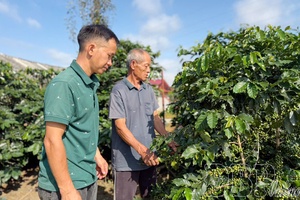
Realities demonstrate that many of Điện Biên’s OCOP products originate from distinctive agricultural specialties such as rice, coffee, tea, and macadamia. Nevertheless, small production scales, seasonal supply patterns, and limited preservation and deep-processing capacities represent bottlenecks that must be resolved to introduce products into major distribution systems, heighten added value, and progressively broaden markets beyond provincial borders. Therefore, developing OCOP in the upcoming period must be entwined with agricultural restructuring toward concentrated, green, smart, and sustainable commodity orientations. Advantaged commodity sectors need to organize production around centralized raw material zones, tightening linkages among farmers, cooperatives, and enterprises. Within this framework, quality standards, origin traceability, and safe production must run continuously throughout the inception and development of products.
Điện Biên is step by step establishing a new approach to developing agricultural specialties and OCOP goods. When production protocols are standardized, origin is made transparent, quality is strictly controlled, and products secure stable markets, the value of local agricultural goods will be elevated, generating momentum for farmers, cooperatives, and enterprises to invest in sustainable production development.
Đức Kiên









You have 500/500 characters left
Please enter 5 or more characters!!!