



Upholding the spirit of clear personnel, clear tasks, clear accountability, and clear handling timelines, each specific assignment has been reviewed to pinpoint causes of delay and formulate tailored solutions, contributing to making breakthroughs, completing works and projects early, and optimizing investment efficiency.
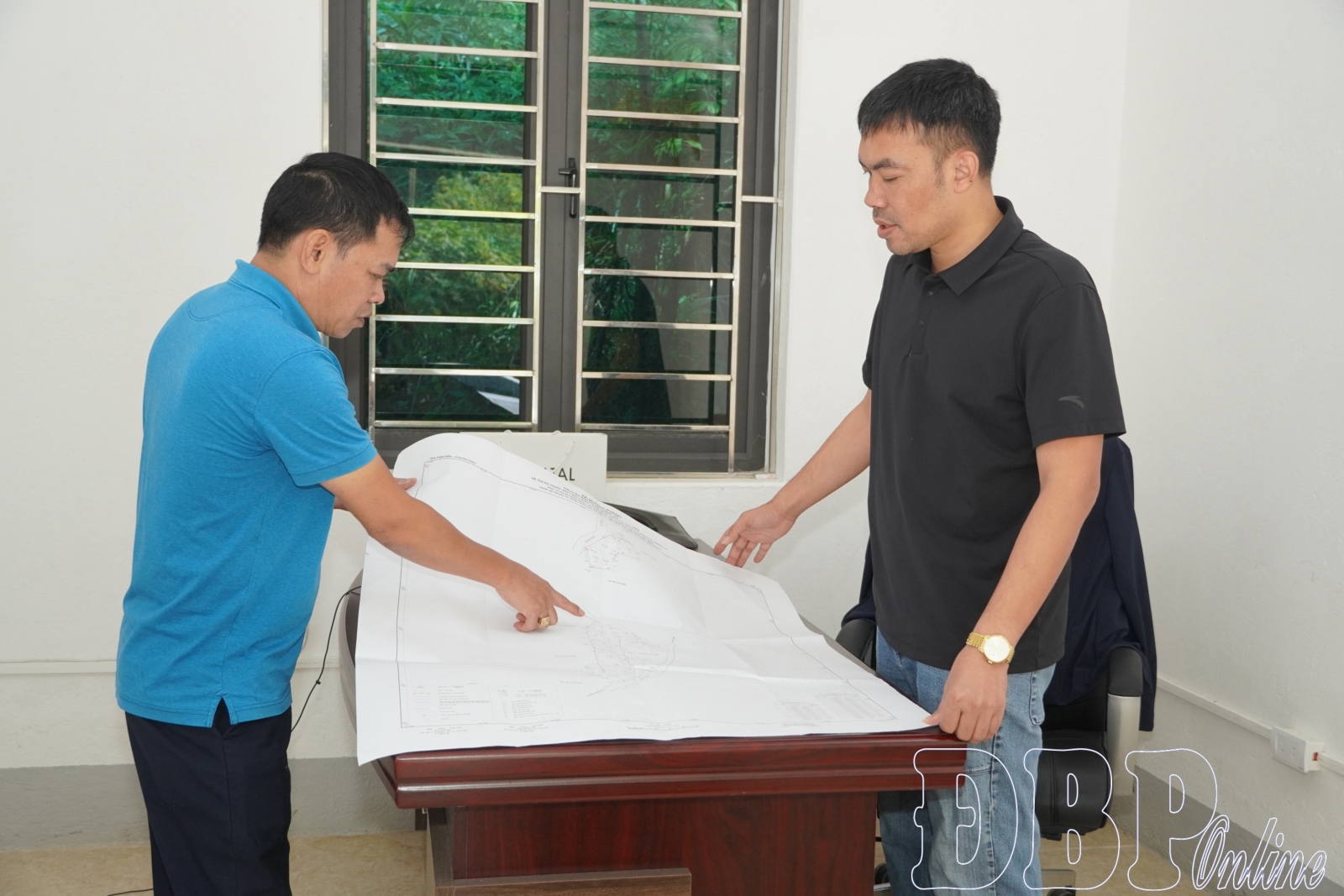
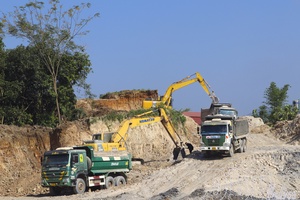
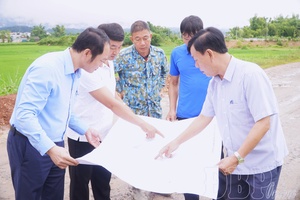
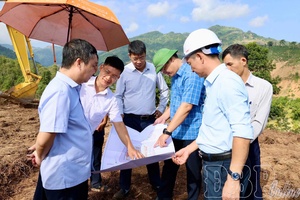
Under planning, the Sơn La - Điện Biên - Tây Trang Border Gate Expressway Phase 1 passing through Mường Phăng commune spans over 13km, requiring dozens of households to relocate and hand over site land for the project. To guarantee project schedules, Mường Phăng commune is concentrating on untangling bottlenecks in site clearance, especially at resettlement sites.
To promptly address issues arising during implementation, the locality has accelerated land origin verification, tallying, surveying, and the preparation of compensation and arrangement plans for two resettlement sites in the area.
Accordingly, at the Lọng Luông resettlement site, the planned area covers more than 2ha, concerning 11 households, individuals, and land-using organizations. The Xôm village resettlement site covers an area of over 2.30ha, involving 42 households, individuals, and land-managing and land-using organizations. Despite several remaining bottlenecks, the commune administration has taken decisive action, completing declarations of land origins and household demographics for 10 households in Lọng Luông and 41 households in Xôm village.
Nguyễn Trần Khánh, Vice Chairman of the Mường Phăng commune People’s Committee, stated: “The Commune People’s Committee assigned the Commune Project Management and Land Fund Development Board to coordinate with specialized agencies and the project owner to execute each assignment according to their functions and competence. We continue to review and coordinate in handling bottlenecks and hurdles emerging during deployment, safeguarding citizens’ legitimate interests and ensuring project progress.”
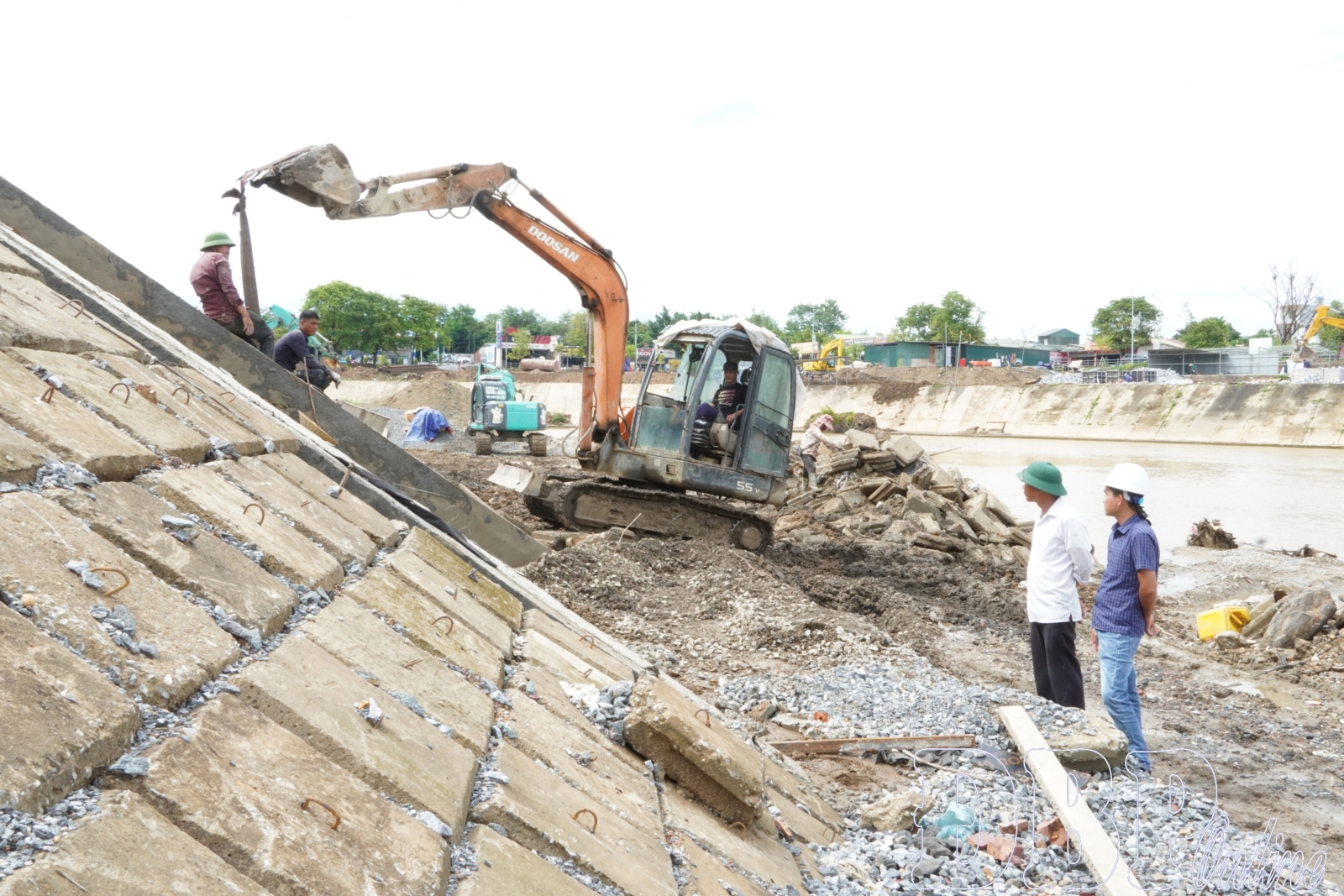
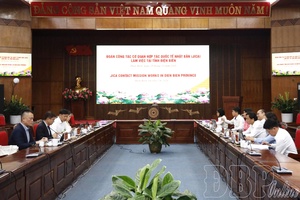
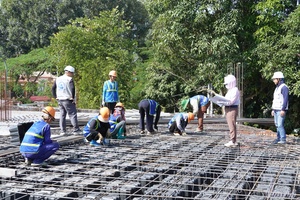
Accelerating the disbursement of public investment capital, particularly for projects with low disbursement rates, serves as a central mission of the Management Board for Agricultural and Rural Development Construction Works. An example is the Disaster-Resilient Rural Development Project in Điện Biên Province, where cumulative 2026 disbursement reached VND 5,695 million out of VND 113,837 million, equivalent to 5% of the capital plan.
The primary reason stems from on-lending and foreign ODA capital sources being eligible only for settling pre-tax construction and installation costs. On October 7, 2026, the donor, JICA, officially disbursed JPY 600 million, equivalent to over VND 98 billion. On that basis, the Board proactively prepared sites, manpower, and counterpart procedures, and is currently finalizing disbursement documentation with the State Treasury. The target is to disburse 100% of the planned capital before November 15, 2026.
Concurrently, the Integrated Water Resource Management Project Serving Livelihoods, Climate Change Adaptation, and Socio-Economic Development in the former Tuần Giáo district was allocated nearly VND 188,190 million, but has not disbursed funds because loan and grant agreements with the French Government were signed only on September 10, 2026. On September 18, 2026, the project adjusted its project owner and was handed over to the Board under Decision No.2108/QĐ-UBND. To make up for lost time, the Board plans to appraise and approve shop-drawing designs in November 2026, completing contractor selection for construction and installation packages before December 31, 2026. Additionally, the Management Board for Agricultural and Rural Development Construction Works is concentrating on clearly identifying root causes, assigning specific responsibilities, and establishing progress milestones for each project to unlock capital flows and ensure investment efficiency.
Nguyễn Thái Bình, Director of the Management Board for Agricultural and Rural Development Construction Works, stated: “The Board has assigned leaders and cadres directly in charge of each bid package and locality, maintaining weekly on-site briefings and coordinating with specialized departments to inspect field conditions and promptly resolve difficulties. Simultaneously, we are strengthening coordination with departments, sectors, and local administrations to conduct communication and mobilize citizens regarding compensation, support, and resettlement policies, fostering consensus to execute projects. These serve as critical solutions to resolve bottlenecks, expedite disbursement, and mitigate risks of further delays in the closing months of the year.”
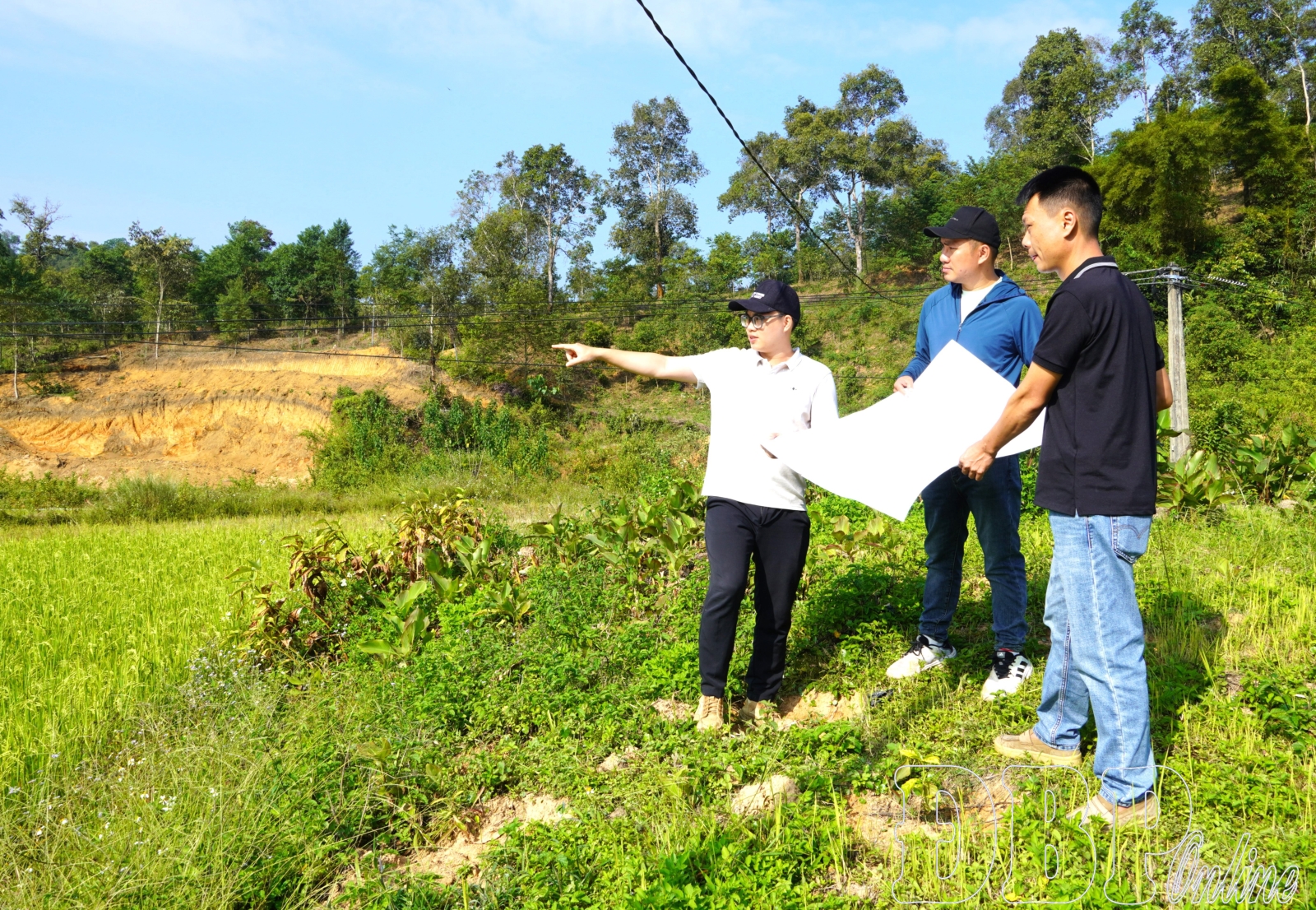
In the first nine months of 2026, Điện Biên province focused on reviewing, untangling difficulties, and accelerating the progress of transport, energy, urban, housing, and key focal projects. Out of 369 projects monitored under the Growth Scenario, 63 projects exceeded targets, 152 projects met targets, and 9 multi-level school projects were completed, handed over, and put into use.
Faced with the reality that several key projects and tasks remain behind schedule, the province requires departments, sectors, localities, and project owners to conduct specific reviews of each project, clearly identifying capital sources, completed workloads, causes of delay, and the accountability of each unit. Disbursement schedules must be formulated on a weekly and monthly basis tied to actual execution capacity, while classifying and defining handling directions and specific completion deadlines for obstacles concerning investment, land, construction, and site clearance.
For projects failing to meet targets, the province demands a clear classification of projects capable of completion in 2026, projects requiring procedural resolution, and projects no longer capable of meeting schedules, so as to formulate appropriate handling schemes. The reallocation of capital from slow-moving, non-disbursing projects to projects with strong progress and higher capital absorption capacity is being considered. Tying the responsibility of project owners and agency heads to implementation and disbursement outcomes elevates initiative and coordination efficacy in tackling bottlenecks.
Decisive involvement by the province, coupled with identifying root causes, clarifying responsibilities, and setting concrete deadlines across units, departments, and sectors, has contributed significantly to unlocking resources, rectifying delays, ensuring projects deliver investment returns, and practically advancing the province’s growth targets.
Quang Hưng






You have 500/500 characters left
Please enter 5 or more characters!!!