



In particular, the 11.67% growth rate achieved in the third quarter provided momentum for the province to enter the home stretch. However, to fulfill the full-year growth target of 11.02%, the fourth quarter still entails a substantial workload, requiring maximizing growth drivers, removing bottlenecks, and swiftly converting resources into productive capacity.
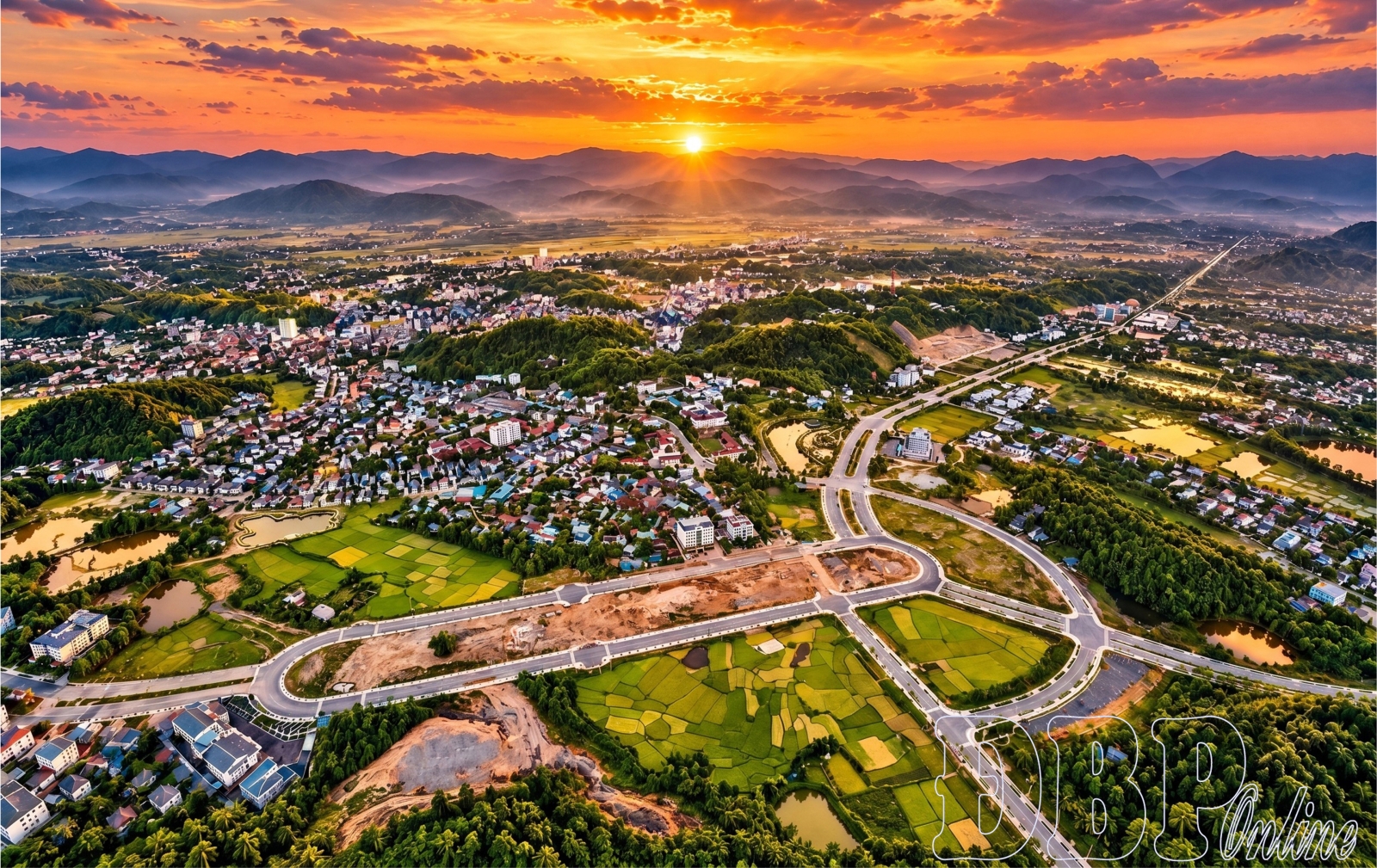
According to a report by the provincial People’s Committee, in the first nine months, gross regional domestic product (GRDP) was estimated at VND 23,720.98 billion, up 9.81% over the corresponding period last year, 0.12 percentage points higher than the set scenario target. With this outcome, Điện Biên ranked 13th out of 34 provinces and cities in terms of growth rate.
Notably, growth was sustained across all three primary economic sectors. The agriculture, forestry, and fishery sector expanded by 5.66%; industry and construction grew by 13.28%; and the services sector climbed by 10.07%. These figures demonstrate that the economy is maintaining stability while new growth drivers continue to take shape. In particular, in the third quarter of 2026, the province’s GRDP was estimated to increase by 11.67%, achieving the set target and ranking 8th out of 34 provinces and cities nationwide in growth rate. This achievement establishes a vital springboard for Điện Biên to continue accelerating in the closing months of the year.
Nevertheless, the road ahead remains demanding. To attain the full-year growth target of 11.02%, 2026 GRDP must reach approximately VND 33,841.29 billion. Given that the nine-month figure reached VND 23,720.98 billion, the fourth quarter must generate approximately VND 10,120.31 billion, representing a year-on-year increase of roughly 13.97%.
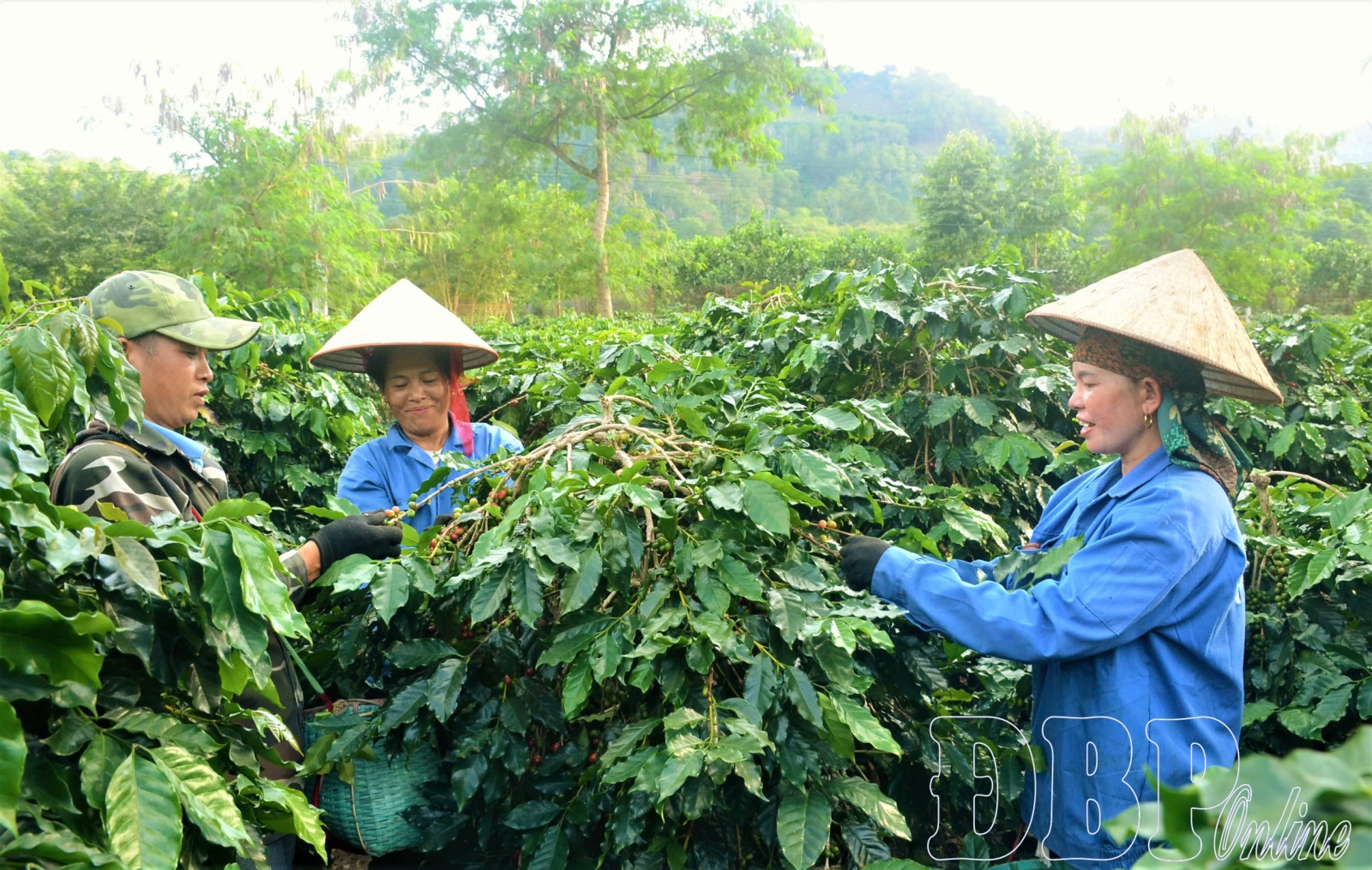
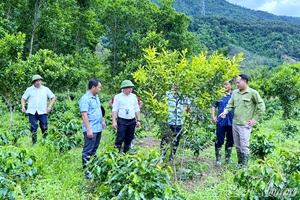
Within this overarching picture, agriculture continues to play a foundational role. Over recent years, Điện Biên has focused on restructuring the sector toward commercial production, establishing raw material zones tied to local competitive advantages. Coffee and macadamia are emerging as key flagship crops under this orientation.
From the beginning of the year to date, the entire province has newly planted 12,450.65ha of coffee, bringing total estimated coffee acreage to 20,843.78ha - a 159.62% increase over the same period and reaching 119.14% of the plan. Newly planted macadamia acreage reached 7,113.86ha, raising the province’s total acreage to roughly 19,474.71ha, achieving 105.92% of the plan. While these area figures open up substantial headroom for commodity agriculture, the core objective for the fourth quarter involves not merely expanding area, but more crucially, elevating added value from established production zones.
Concurrently, winter crop production on Mường Thanh field has been identified as a key task. The province plans to organize production across 400ha, comprising 200ha of sweet corn and 200ha of Japanese soybeans. Reviewing land plots, securing water supplies, establishing planting schedules, projecting yields, identifying purchasing entities, and determining harvest timelines are being executed to optimize production efficiency and align output with market demand. Furthermore, the province is proactive in disease prevention and control, animal transit supervision, cleaning, disinfection, and guiding safe herd restocking. Maintaining stable production, ensuring yields, and securing market outlets ensure the agricultural sector continues to serve as an enduring foundation for overall growth.
While agriculture builds the base, industry and construction are defined as growth engines that must accelerate more aggressively in the fourth quarter. In the first nine months, the industrial production index was estimated to increase by 15.7%, yet remained below the annual growth target of 18.52%. This gap indicates that headroom for industry to contribute further to growth remains, but available time to tap this potential is narrowing. Therefore, the province is focusing on reviewing establishments and projects with capacity to augment output in the fourth quarter; while assisting enterprises in resolving hurdles regarding raw materials, markets, electric power supply, and investment procedures. In the energy sector, the province is urging progress on four hydropower projects under construction with a combined capacity of 51MW; and coordinating the acceleration of the Điện Biên 220kV Transformer Substation, the Điện Biên - Sơn La 220kV transmission line, and medium- and low-voltage grid projects.
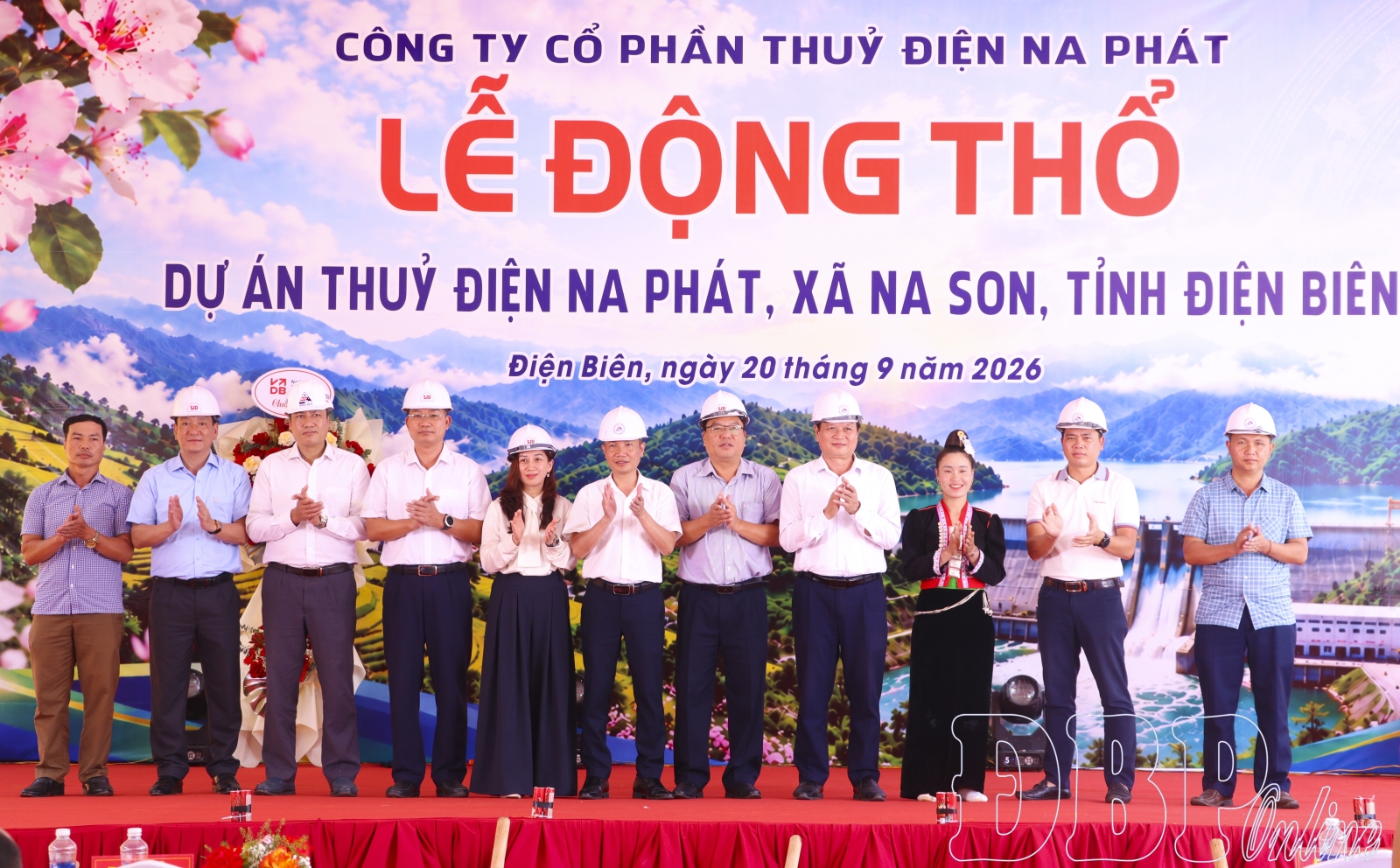
Along with these, seven power generation projects - which have received concurrent approvals for both investment policy and investors, featuring a total capacity of 816.8MW and total registered capital of over VND 22,790 billion - are being prioritized to resolve grid-connection bottlenecks. Power projects lagging behind schedule with no further capacity for implementation are also being reviewed and classified for handling, avoiding prolonged land-use occupation and planning deadlocks.
Another vital driver of growth in the final months of the year is public investment. As of September 30, total 2026 investment capital, including carried-over funds, was estimated to have disbursed VND 4,116.304 billion, achieving 70% of the actual assigned capital plan. Of this amount, public investment capital disbursed VND 3,400.684 billion, reaching 75% of the plan; non-public investment capital reached VND 715.620 billion, equivalent to 53.2% of the plan. With a large volume of capital remaining, accelerating disbursement in the fourth quarter is not only a financial imperative but a direct measure to stimulate economic growth. Every project accelerated and every unit of capital injected into the economy at the right moment will generate jobs and drive the production of materials, transport, construction, and services, creating ripple effects across multiple economic sectors.
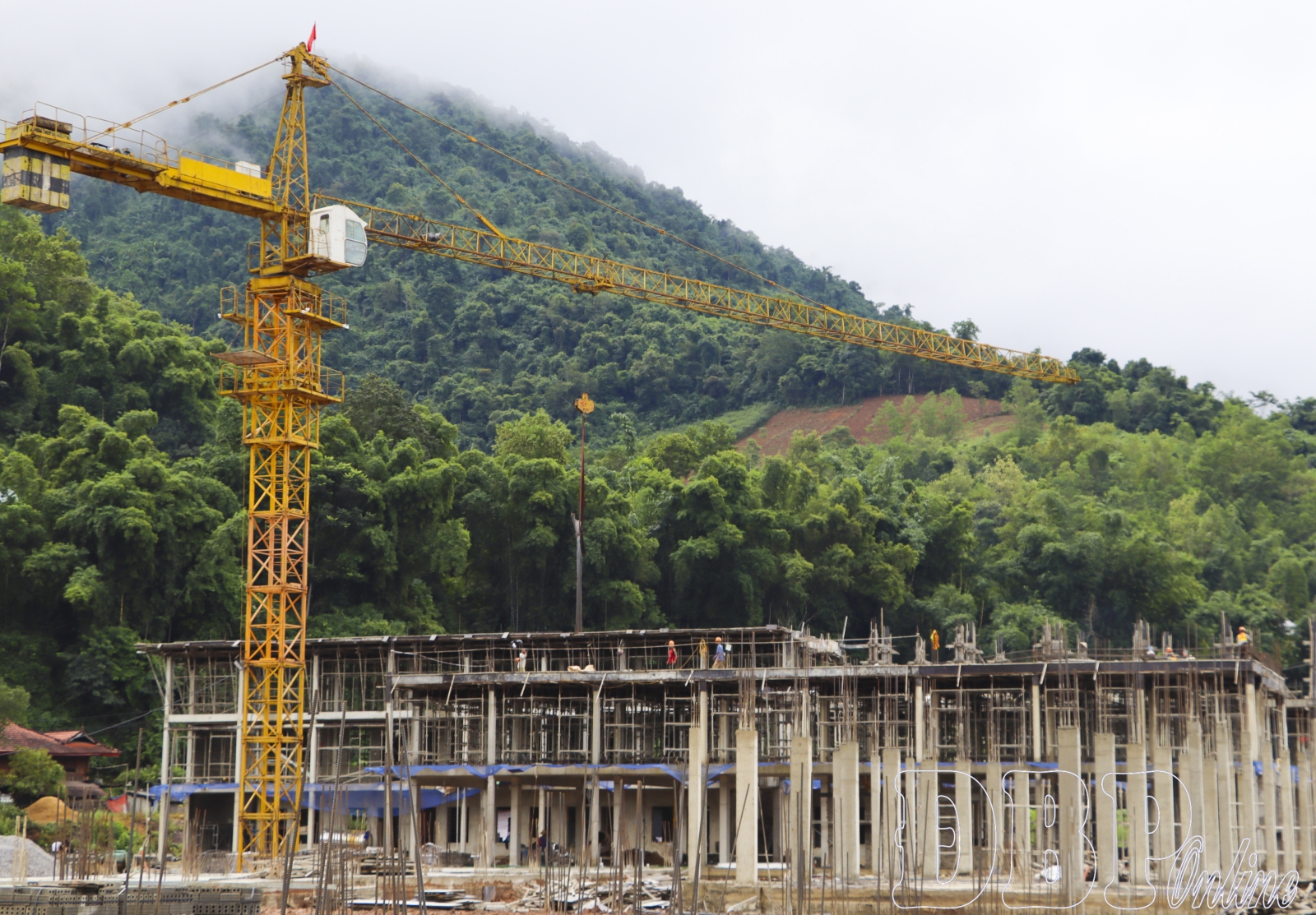
Accordingly, the province mandates detailed reviews for each project, investor, capital source, completed volume, and remaining capital to be disbursed; formulating progress schedules on weekly and monthly bases; and focusing on resolving obstacles concerning investment, land, site clearance, construction, and specialized technical procedures. Projects falling behind schedule and lacking capital absorption capacity will be considered for fund reallocation to projects demonstrating superior progress.
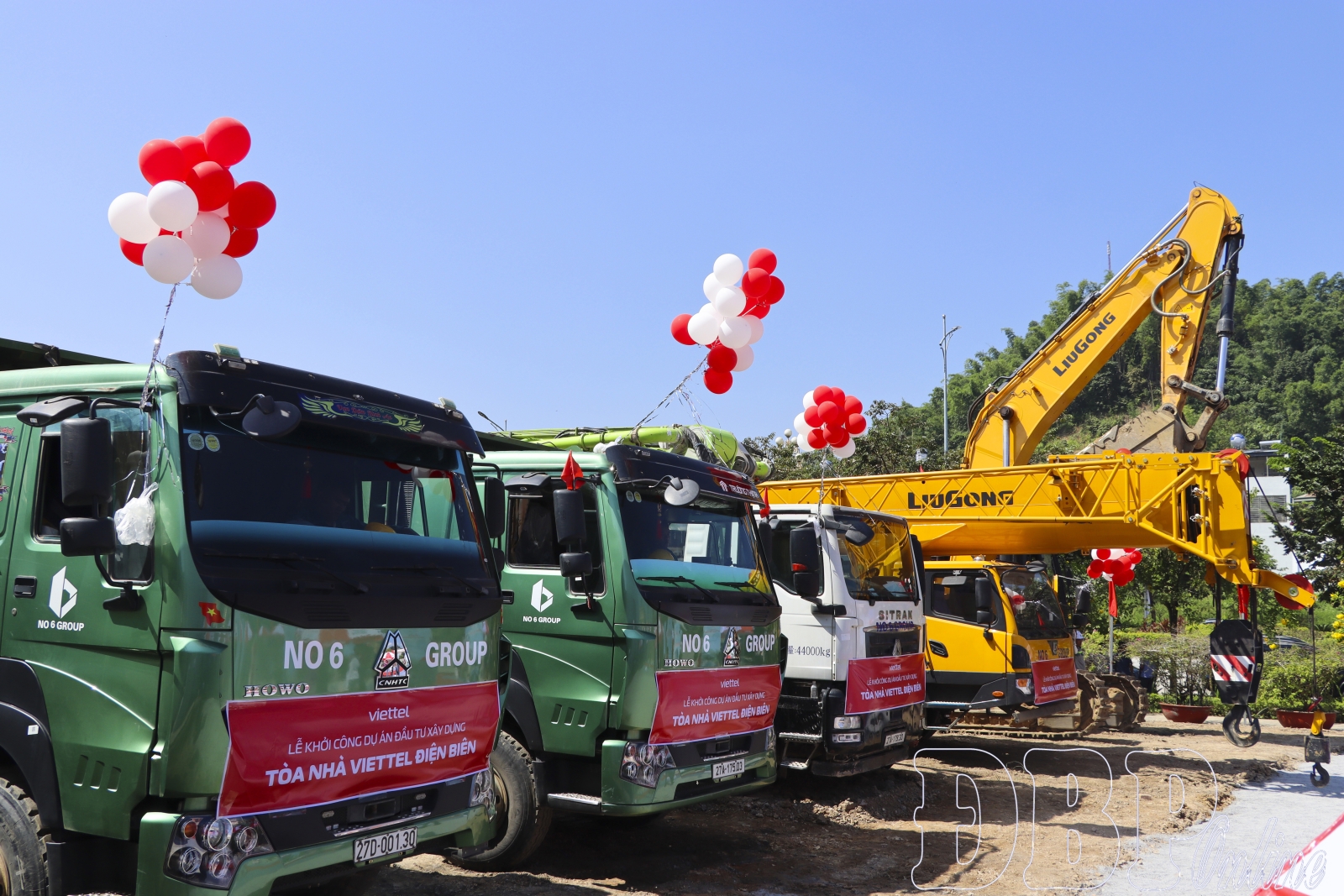
Alongside stimulating production and disbursement, finalizing master plans, infrastructure, and new development space is also being prioritized. The adjusted Master Plan of Điện Biên province for the 2021-2030 period, with a vision to 2050, alongside approved commune and ward master plans, will serve as the foundation to reorganize development space, attract investment, and better tap local potentials and advantages. The province is also concentrating on removing hurdles and accelerating momentum-generating and connectivity-enhancing projects, including the Sơn La - Điện Biên - Tây Trang Border Gate Expressway construction project, the route upgrade from National Highway 12 to A Pa Chải border gate, alongside projects in transport, electricity, urban development, social housing, national target programs, and ODA.
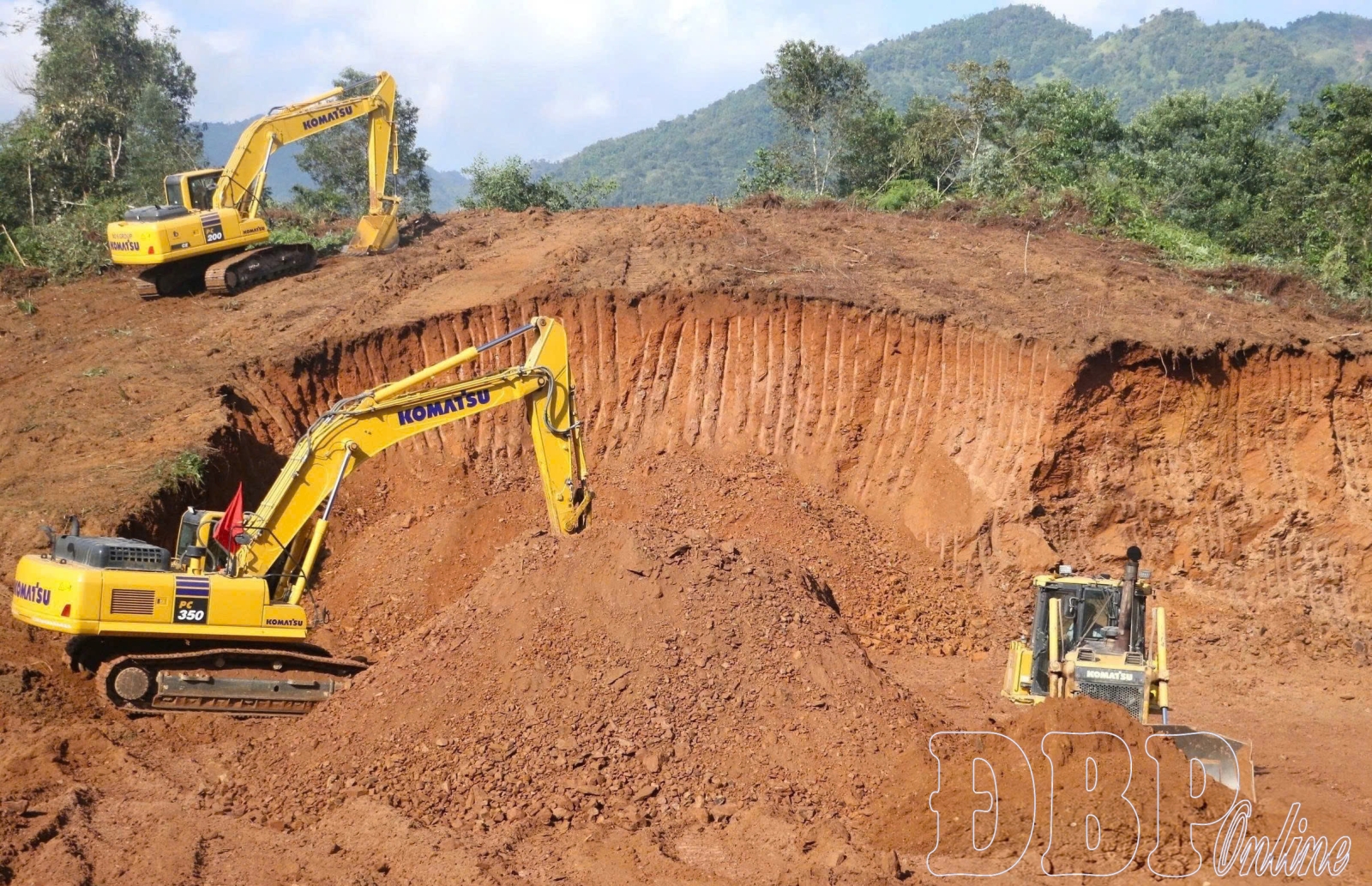
The 2026 growth target of 11.02% demands that Điện Biên deliver breakthroughs in the final quarter. With 9.81% growth over nine months and 11.67% in the third quarter, the province has secured an essential springboard to enter the home stretch. To transform that foundation into final outcomes, every sector and locality must continue to define clear work assignments, progress timelines, and personal responsibilities, focusing on drivers capable of generating immediate value within the year.
The fourth quarter will serve as a testing ground for governance capacity, resource absorption, and economic resilience. When bottlenecks are removed, capital is disbursed on schedule, production flows are unclogged, and driving projects are accelerated, existing resources will gain greater avenues to translate into tangible value, successfully achieving the 2026 growth target.
Phạm Trung




You have 500/500 characters left
Please enter 5 or more characters!!!