



From administrative procedure reform and the rollout of the “green lane” mechanism to proactively resolving bottlenecks for individual projects, comparative advantages in agriculture, energy, tourism, and urban development are progressively being leveraged effectively, generating momentum for socio-economic development toward green, smart, and sustainable directions.
For the 2025-2030 term, Điện Biên province determines administrative reform, improving the investment and business environment, and elevating competitiveness as regular, continuous tasks of the entire political system. The Executive Board of the provincial Party Committee issued Resolution No.14-NQ/TU on administrative reform, improving the business investment environment, and elevating provincial competitiveness for the 2026-2030 period. One of the pivotal solutions is implementing the “green lane” mechanism, aiming to slash processing times for administrative procedures by 70% to 90% for key off-budget investment projects.
To substantiate the resolution, the provincial People’s Committee issued action programs and plans tailored to practical realities, while selecting administrative procedures with actual emerging demands to integrate into the “green lane” mechanism. To date, 35 administrative procedures are carried out under this mechanism, including 31 provincial-level procedures and 4 commune-level procedures on a pilot basis. Within these, 24 procedures were newly added, 7 procedures were maintained, and 16 previous procedures are no longer proposed due to a lack of generated dossiers. Reform efficacy is measured by concrete processing durations: administrative processing times in industry and trade dropped by up to 70%; culture, sports, and tourism fell by 50%; healthcare was shortened by a maximum of 70%; finance processing times were slashed by 60% to over 82%; and for the agriculture, environment, and land group, settlement durations were shortened by 43.8% to 72.2%.
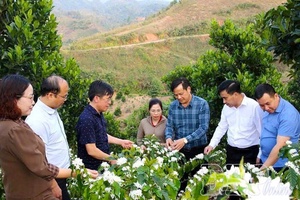
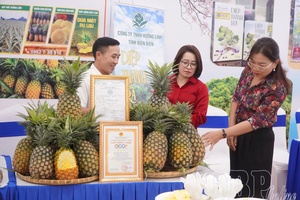
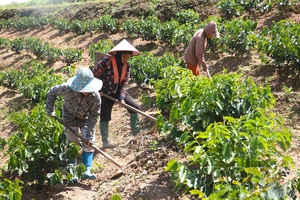
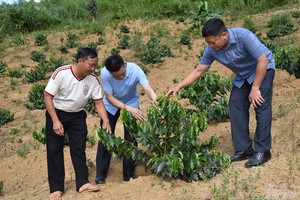
In agriculture, Điện Biên holds advantages in developing raw material zones for coffee, macadamia, and several high-value farm products. In recent years, the province has focused on expanding crop acreage, emphasizing the attraction of enterprises to invest in processing, and step by step forming linked value chains from production to consumption.
From the beginning of the year to date, through investment promotion, working sessions, surveys, and land-related procedures, the province has identified construction sites for 10 macadamia and coffee processing plants for strategic investors such as TH Group, Him Lam Group, Detech Company, and Cát Quế Company. Beyond cultivation, centralized animal husbandry has also garnered investor interest. Seven enterprises have researched, surveyed, and proposed investments in centralized livestock projects covering a total area of over 600ha, with a scale of approximately 1.19 million pigs per year, equivalent to 3.6 times the province’s existing total swine herd.
In early June, the pig farm project in Mường Pồn commune, invested by Lai Châu Agriculture Development and Construction Investment Co., Ltd., commenced construction with a total investment capital of around VND 120 billion and a scale exceeding 105,500m², projected to supply approximately 8,000 commercial pigs annually. According to Trần Mạnh Minh, Vice Chairman of the Mường Pồn commune People’s Committee, the locality accompanied the investor in finalizing site clearance. Currently, the investor is accelerating construction progress, planning to release the first batch of pigs in December 2026 and complete the entire project by June 2027.
Alongside agriculture, energy is a domain with vast headroom prioritized by the province for investment attraction. Implementing the adjusted Power Development Plan VIII to date, Điện Biên province has approved investors for 7 power projects with an aggregate capacity of 816.8MW and total investment capital exceeding VND 22,790 billion, comprising 3 wind power projects, 3 solar power projects, and 1 hydropower project. The province focuses on decisively settling bottlenecks for energy projects granted investment policy decisions, speeding up project execution.
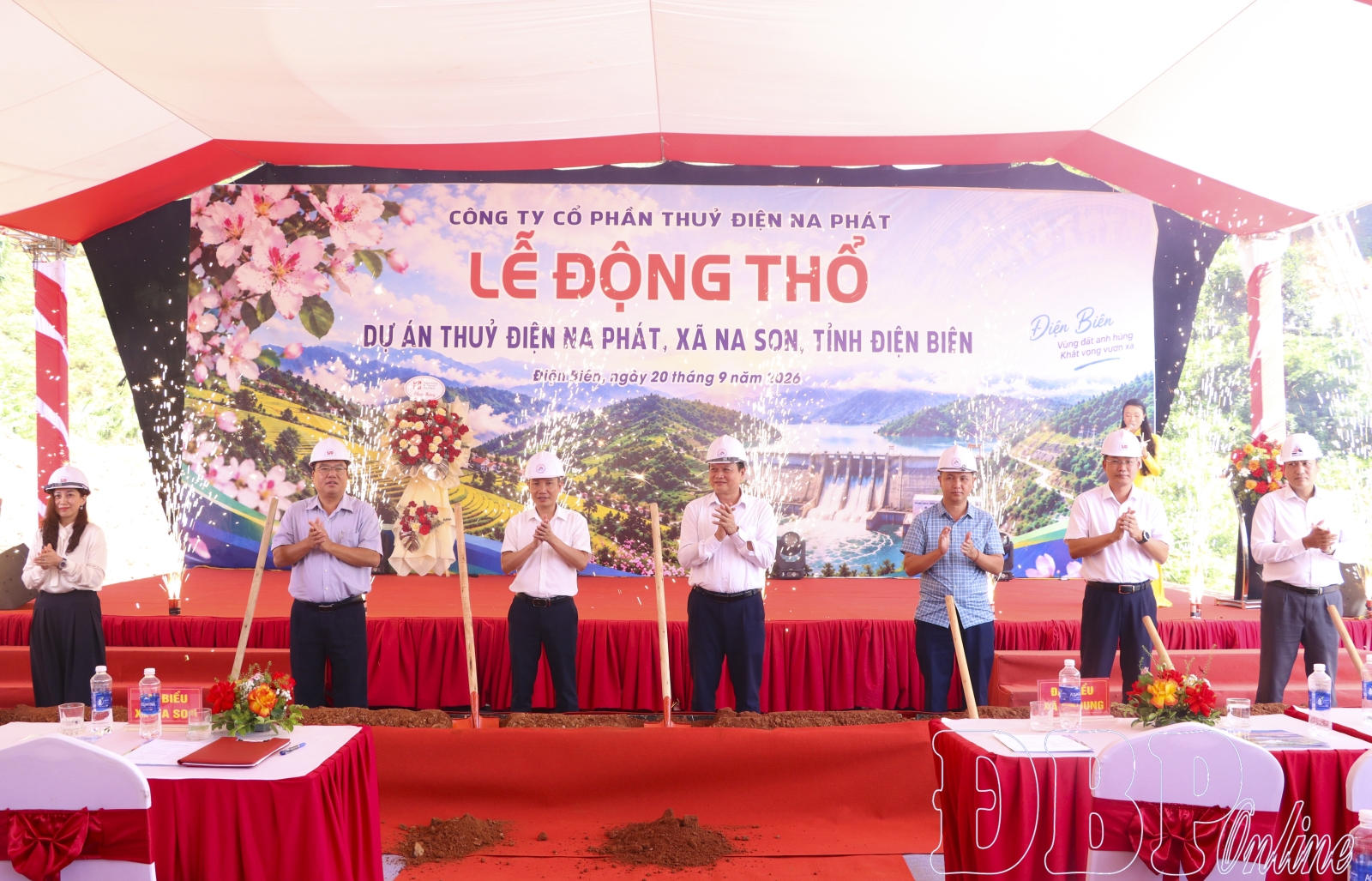
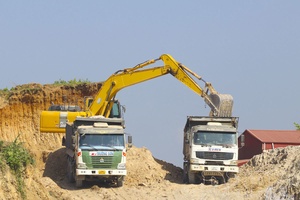
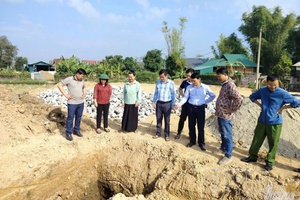
The Na Phát Hydropower Project is a focal case where the province has concentrated on untangling difficulties. The project has a designed capacity of 10MW, an average electricity output of about 30.15 million kWh per year, a total investment of over VND 364 billion, and utilizes approximately 38.42ha of land. Granted an investment policy decision in 2017 and adjusted in 2019, the project encountered several difficulties and obstacles during implementation. Since 2026, Điện Biên province has focused on directing departments, sectors, and localities to coordinate in resolving bottlenecks, emphasizing communication, mobilization, and forging public consensus.
Nguyễn Thanh Lâm, Vice Chairman of the Na Son commune People’s Committee, stated: “The commune conducted outreach and mobilization so that villagers clearly understood the policies, entitlements, and benefits of the project for both the people and the locality. For cases still harboring concerns over support levels, the administration coordinated with village leadership to conduct direct explanations and dialogues, thereby creating public consensus.”
Thanks to the concerted engagement of departments, sectors, and the local administration, the Na Phát Hydropower Project officially broke ground on September 20. The project is scheduled for completion and commissioning for power generation in the fourth quarter of 2028.
Through synchronous and effective solutions, during the first nine months of 2026, Điện Biên province granted investment policy approvals and approved project information for 16 projects, including 3 foreign direct investment (FDI) projects with a total registered capital of VND 14,005 billion. Cumulatively to date, the entire province records 225 projects approved for investment policies or granted investment registration certificates, with total registered capital of VND 92,878.32 billion.
These figures illustrate that investment capital is progressively seeking out sectors where Điện Biên holds comparative advantages. Nevertheless, investment momentum lies not in the mere tally of projects, but in their quality, execution pace, and practical efficacy.
On the path toward fulfilling targets for the 2025-2030 term, Điện Biên continues working toward a transparent, open, and stable investment climate, adopting business satisfaction and enterprise trust as the benchmark of governance efficiency. When administrative procedures are streamlined, bottlenecks are untangled, and the government walks alongside enterprises, comparative advantages across agriculture, energy, tourism, and urban development will be unlocked more vigorously, generating added resources for green, smart, and sustainable growth objectives.
Phạm Trung



You have 500/500 characters left
Please enter 5 or more characters!!!