



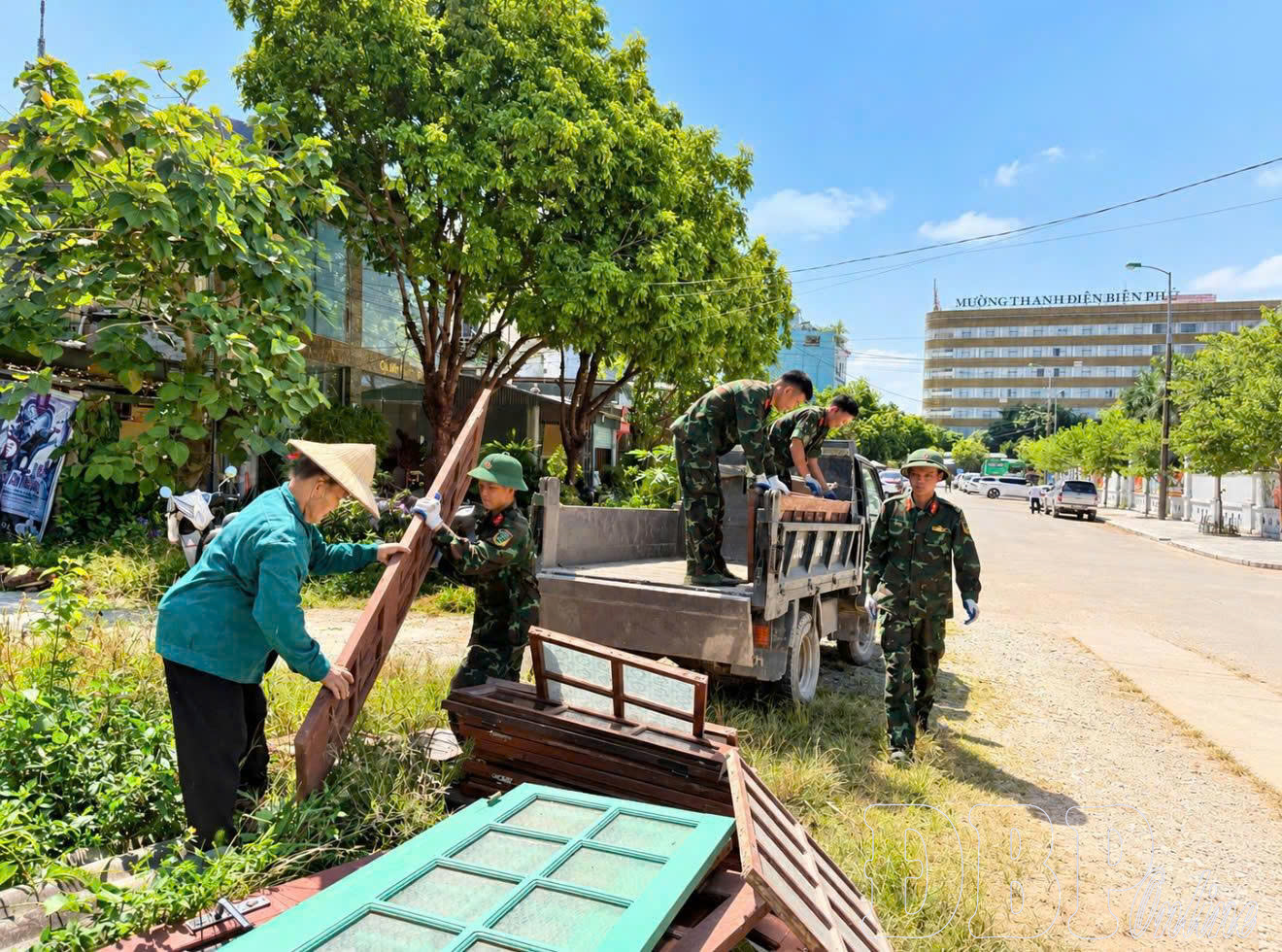
Ward-level forces, the military, police, the Việt Nam Fatherland Front, and mass organizations directly assisted with dismantling and haulage. Empathy, listening, and safeguarding citizens’ legitimate rights are fostering consensus and accelerating site clearance.
Along the narrow alley leading to Phan Thị Thắm’s home, the rumble of bulldozers echoed from multiple directions. Around her level-4 house, many households had already relocated, leaving behind cleared land plots undergoing leveling. Mingled with the roar of machinery were calls back and forth to lift furniture, dismantle roofs, and haul building materials.
Beside the porch of her old house, Thắm was sawing a section of bamboo; she explained that she would bring it to the house she had just rented along the main road to fashion a latch for a rear door that did not yet lock securely. A sewing machine, clothing, and small personal belongings had gradually been shifted to the temporary accommodation; the rest awaited supporting forces to dismantle and haul away.
Originally from Thái Bình, Thắm followed her parents to Điện Biên when she was a child. In 1993, after starting her family, she settled on an approximately 270m² plot of land bequeathed by her parents. In the early years, the area was low-lying; after every torrential downpour, floodwaters swept from the yard into the house; at times, the bed was the highest perch where she sat waiting for the waters to recede. It was not until 2010 that she managed to build a sturdy level-4 house with a raised foundation.
Over 30 years, from a deserted plot of land, she cultivated a garden with mango, avocado, longan, and jackfruit trees, alongside a fish pond. There were trees she had planted by hand from seed, tending them until they bore fruit. Consequently, moving away stirred deep emotions within her. Thắm is a single mother whose only son works far from home, meaning she had to arrange the relocation entirely on her own. However, when notified by local authorities that public forces would directly assist in dismantling and hauling her property to temporary quarters, her mind was set at ease.
Her family was allocated a resettlement plot, and she plans to construct a new house nearly 1km from her current residence after the upcoming Lunar New Year. Thắm shared that since the land fell within the project planning zone, continuing to stay and investing in permanent housing would no longer be appropriate. On the premise that her legitimate interests were safeguarded and resettlement land was provided, she consented to hand over the site, hoping to stabilize her life quickly at the new location.
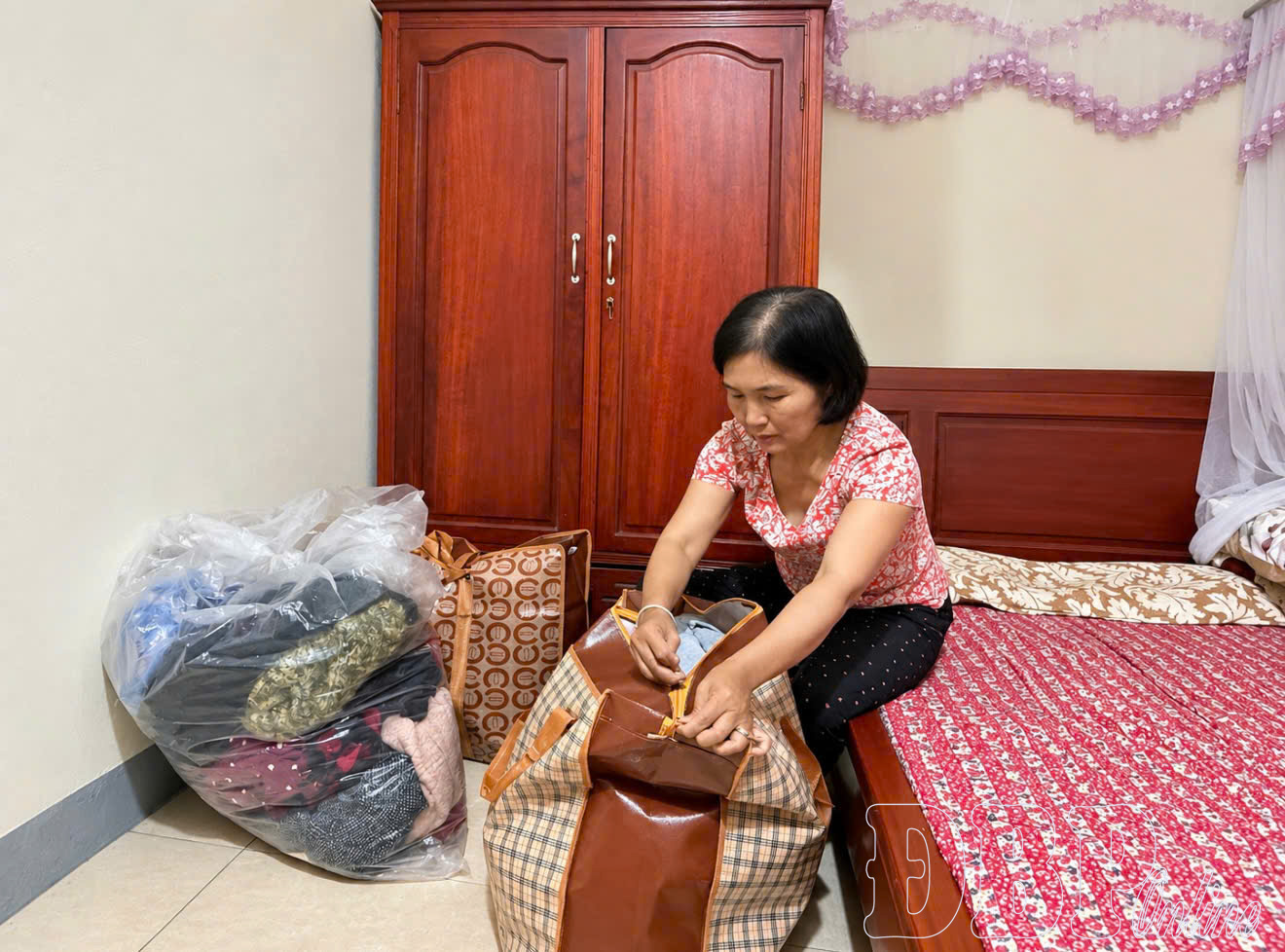
Not far from Thắm’s home, the family of Đỗ Vũ Quang (75 years old) was also packing up a home they had been attached to since 1978. For nearly half a century, his children were born and raised on this land. Because the entire family area fell within the site clearance boundary, moving away filled the elderly couple with mixed emotions.
On the day support forces arrived, Quang stayed at the rented house to receive and arrange arriving furniture. Đặng Thị Chuốt, his wife, remained at the old house alongside local forces to pack belongings so the teams could haul them over. Đỗ Vũ Quang expressed that what his family hoped for most was for the resettlement area to soon have fully synchronized electricity, water, and drainage systems to facilitate stabilizing their daily lives.
In Him Lam residential quarter, the family of Lương Thị Đợi (64 years old) was also preparing to hand over their site. She carefully wrapped certificates of merit, commendations, her Party Badge, and family keepsakes separately. Each keepsake evoked a chapter of life tied to her former residence.
During the weekend of September 26 and 27, Điện Biên Phủ ward mobilized military personnel, police, the Việt Nam Fatherland Front, and socio-political organizations to assist households in dismantling structures and transporting belongings.
Also participating were cadres and soldiers from Regiment 82 and the provincial Military Command of Điện Biên. On September 28, the provincial Military Command continued mobilizing 65 officers and soldiers to assist local residents. Across the site clearance area, forces divided into small groups: some dismantled roofs and doors, while others carried building materials and loaded furniture onto trucks. Heavy labor was prioritized for households with few family members, the elderly, or those facing difficulties in moving property independently.
Colonel Nguyễn Văn Lượng, Commander of the Military Command of Điện Biên Phủ ward, stated that forces were assigned to specific households and concrete tasks, focusing on safe dismantling and haulage to alleviate residents’ burdens and ensure the proactive handover of site land according to schedule.
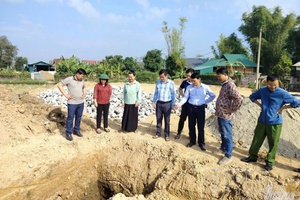
Under approved project dossiers, the project comprises site leveling, an off-alignment transport system approximately 1.2km long, and surface drainage infrastructure. The land area recovered for project implementation spans approximately 13.58ha. Following survey and cadastral ownership verification, 230 households and individuals alongside 6 organizations were identified as affected; surveying, mapping, and asset tallying have been fully completed.
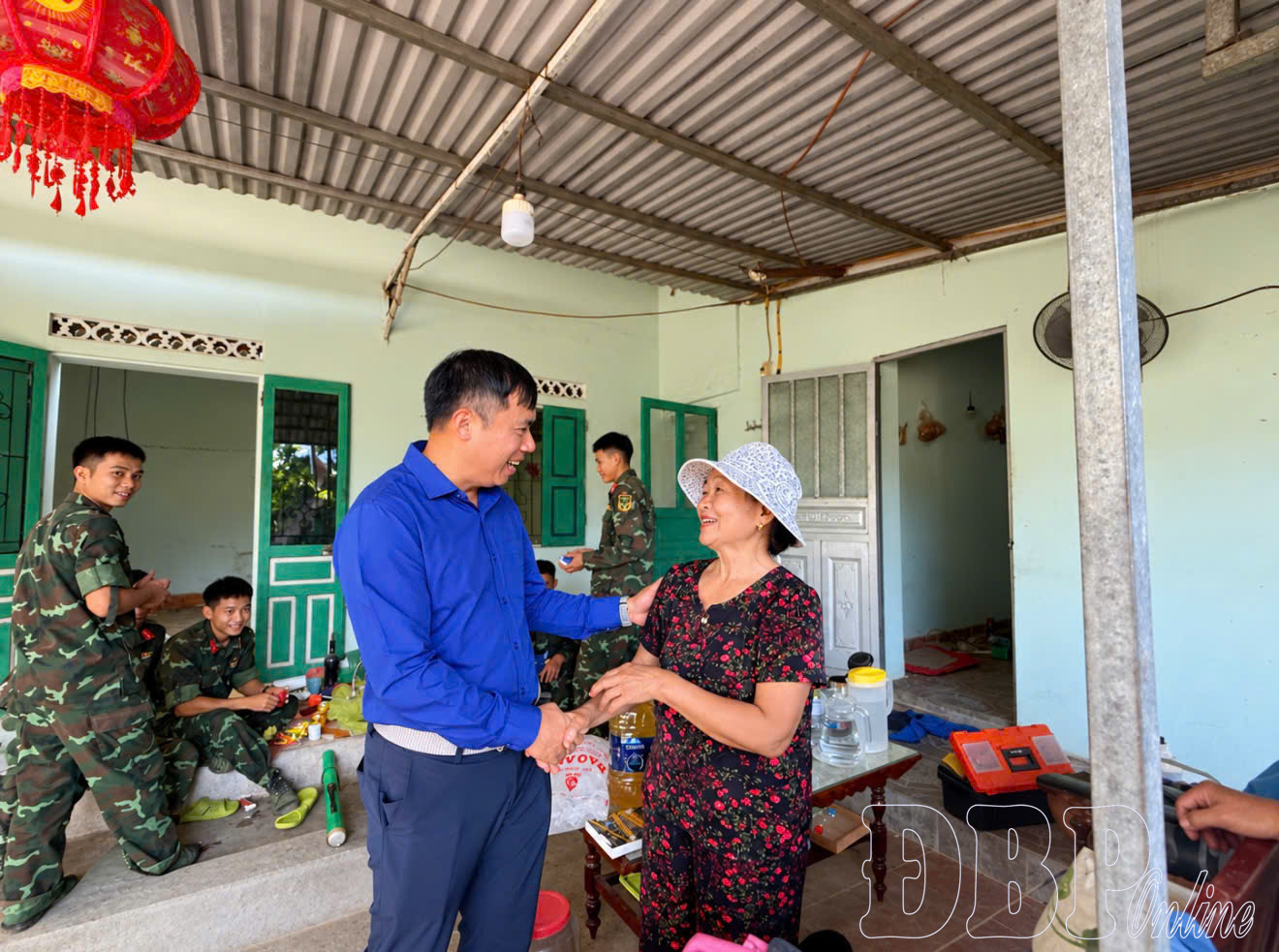
Having just finalized procedures to sign confirmation of the compensation plan, Đỗ Quốc Quân expressed strong consensus with the overarching policy, while voicing confidence in the locality’s transformation: “My family is ready to hand over the site so the project can be deployed early. I hope that upon completion, the facility will maximize its effectiveness, becoming a modern infrastructural highlight that fulfills sports training needs and elevates the spiritual life of the People. In addition, we also hope that infrastructure in the resettlement area will soon achieve technical synchronization so villagers can settle down and thrive with peace of mind, joining hands to build an increasingly civilized urban face for Điện Biên Phủ.”
Nguyễn Quang Hưng, Member of the Standing Board of the provincial Party Committee and Secretary of the Party Committee in Điện Biên Phủ ward, emphasized that site clearance must place citizens’ lawful rights and legitimate interests within the framework of legal regulations. The locality focuses on communication, dialogue, and clear policy explanation, while mobilizing forces to directly assist citizens in dismantling and moving property. When citizens clearly comprehend the policy, their rights are guaranteed, and hardships are shared in a timely manner, consensus becomes a vital driving force to accelerate project progress.
By the afternoon of September 28, 92 households and individuals had received compensation and handed over sites, with a total value exceeding VND 81.6 billion; all 6 out of 6 organizations had handed over land. The aggregate area handed over to construction units reached approximately 7.3ha. Resettlement work is being deployed concurrently. A total of 107 households participated in lot-drawing, of which 98 households have received physical land handovers in the field. These outcomes demonstrate that public consensus is driving site clearance forward. When legitimate rights are safeguarded, concerns are addressed, and citizens receive tangible assistance during relocation, every handed-over plot creates further conditions for project deployment while helping families stabilize their lives early in resettlement areas, contributing to infrastructure development, urban beautification, and the province’s overarching development goals.
Tú Trinh






You have 500/500 characters left
Please enter 5 or more characters!!!