



The province’s 19 ethnic groups possess a rich and diverse heritage that enriches community life. Festivals, customs, folk games, writing systems, traditional costumes and handicrafts all contribute to the distinctive cultural identity of Điện Biên’s ethnic communities. The Party and State have consistently paid attention to preserving and safeguarding cultural heritage and traditional crafts, recognizing them as a foundation for national development.
In implementing Resolution No. 80-NQ/TW of the Politburo on the development of Vietnamese culture, Điện Biên has reaffirmed its guiding principle that culture and people are the foundation, a vital internal resource, a major driving force, a pillar and a regulatory mechanism for the country’s rapid and sustainable development.
Putting this principle into practice, the province is preserving and integrating the cultural heritage of its ethnic groups into everyday life, with the aim of developing community-based tourism around these cultural resources. Cultural values and traditional crafts can be sustained and promoted when they are embedded in daily life, passed down from one generation to the next, and shared by experienced practitioners with those who have yet to learn. Through this approach, each community and ethnic group can preserve its cultural identity and traditional crafts while contributing to the diversity of modern life.
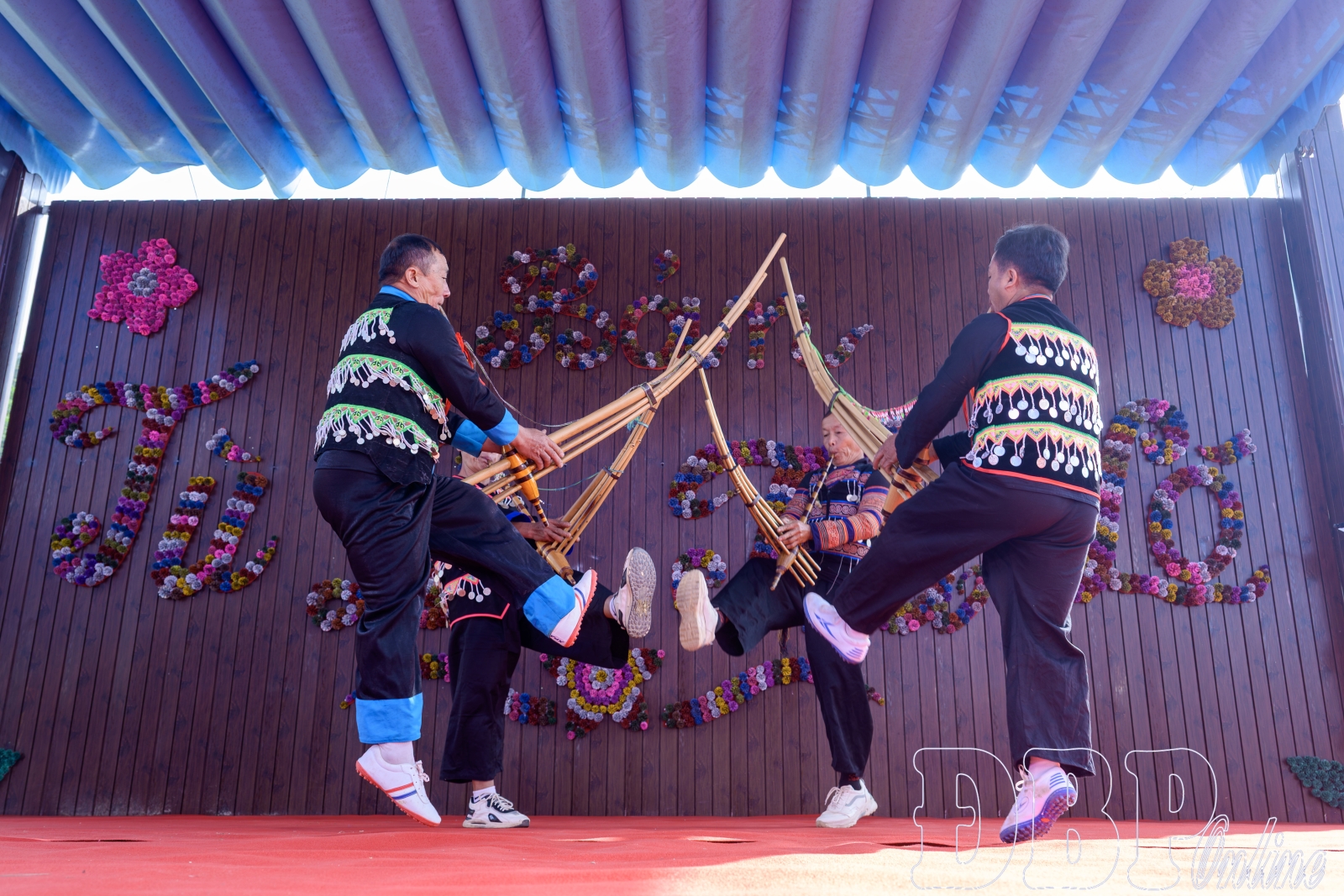
The richness and diversity of cultural heritage and traditional handicrafts were on full display at the Hmong Ethnic Culture Festival, held in Điện Biên from October 9 to 11, with participants from 11 provinces nationwide. A lively program of cultural activities attracted large numbers of residents and visitors, who watched performances, cheered on competitors, learned about local traditions and took part in hands-on experiences.
Traditional sporting events, including tù lu, tug-of-war, stick pushing, crossbow shooting and pao ball tossing, provided plenty of excitement. The cheers and applause of spectators created an energetic atmosphere at the competition grounds, encouraging athletes to give their best. Meanwhile, in the cultural performance area, skilled artisans showcased the distinctive Hmong khèn dance, combining masterful technique with graceful movements.
The festival provided a space for cultural exchange and an opportunity to showcase the artistry of the khèn dance. It also allowed artisans to share their experience and techniques in playing the khèn and performing its accompanying dance. One particularly engaging feature was the opportunity for residents and visitors to try their hand at embroidering traditional brocade clothing and making khèn instruments themselves.
Nimble hands guided needles through fabric and threaded colorful patterns onto linen cloth. Nearby, artisans carefully inspected bamboo tubes and wooden pieces, meticulously checking each small copper component before assembling them into a khèn. Watching artisans weave fabric and make these instruments firsthand helped visitors better appreciate the time, skill and painstaking work involved in traditional crafts.
Turning culture into a driver of development is already becoming a reality in community-based tourism villages across the province, including Tù Lu Tìa Ló village in Pu Nhi commune, Lồng village in Quài Tở commune, Phiêng Lơi village in Điện Biên Phủ ward, and Nà Sự village in Mường Chà commune.
Visitors can explore the cultural traditions of local ethnic groups, try grinding corn and pounding giầy cakes (traditional sticky-rice cakes), and sample traditional dishes. The appeal of these tourism villages lies in their distinctive cultural atmosphere, brought to life through performances and local markets.
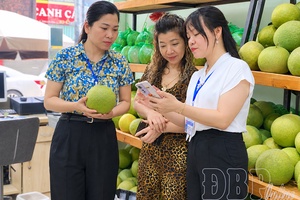
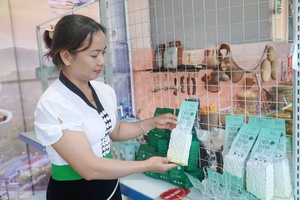
At market fairs, residents bring mountain-grown produce-including bamboo shoots, wild greens, taro, winter melon and mắc khén, a local aromatic spice-to trade and sell. Linen fabrics, intricately crafted traditional costumes and distinctive handicrafts draw visitors from near and far. Traditional cooking methods and flavors also foster a sense of warmth and familiarity between visitors and local communities.
Each locality and ethnic group has its own cultural traditions and signature crafts, adding richness and variety to the visitor experience. Through firsthand encounters, tourists gain a deeper appreciation of traditional cultural practices and learn how local people preserve and harness their heritage to support tourism development.
Amid changes in modern life, however, many cultural traditions and traditional crafts face the risk of fading away. Modern, convenient mass-produced goods have become increasingly available, while artisans are growing older and younger generations are leaving home for work, with less interest in learning traditional skills. Traditional cultural values are also under pressure from changing lifestyles, shrinking spaces for cultural practices and the effects of market forces. These realities make it essential to find effective ways to safeguard the cultural heritage and traditional crafts of ethnic communities.
When cultural heritage and traditional crafts help generate livelihoods, local people have greater incentives to maintain them, while younger generations gain more reasons and opportunities to learn traditional skills and carry their communities’ cultural legacy forward.
With such a rich cultural heritage, every locality needs to develop its own approach to preserving and harnessing these values. Connecting cultural heritage with economic development and community-based tourism can help people better understand their role as the custodians and key practitioners of their own culture. In turn, they can improve their livelihoods and build prosperity by preserving and promoting their cultural heritage and traditional crafts.
Gia Huy






You have 500/500 characters left
Please enter 5 or more characters!!!